Browse

Log in / Register
 Share
Share
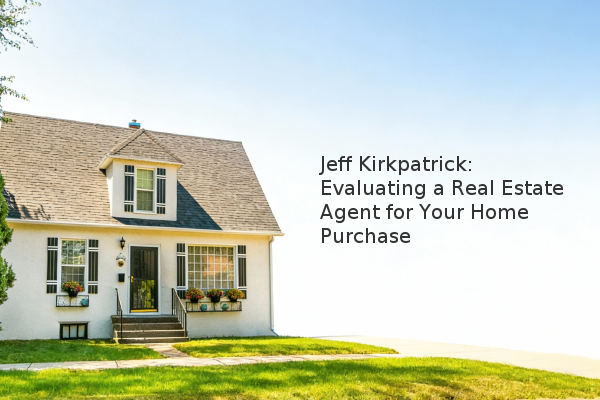
If you are searching for "Jeff Kirkpatrick," you are likely evaluating a specific real estate agent to assist with your home purchase or sale. The core conclusion is that selecting an agent requires verifying their active license, analyzing their local market performance data, and conducting a thorough interview to ensure alignment with your real estate goals. This process is critical, regardless of the agent's name recognition.
Understanding the Role of a Real Estate Agent A real estate agent is a licensed professional who represents buyers or sellers in real estate transactions. Their duties include guiding clients through the intricate process of buying or selling a home, from pricing strategy and marketing to negotiation and closing. When considering any agent, including Jeff Kirkpatrick, it is essential to verify their qualifications and expertise. The first step is to confirm their license status is active and in good standing with your state's real estate commission.
Key Metrics for Evaluating an Agent's Performance Objective data provides a clearer picture of an agent's capabilities. Rather than relying solely on testimonials, focus on verifiable metrics. Ask about their average days on market for listings compared to the local area average, their list-to-sale price ratio (which indicates negotiation strength), and their experience with homes in your specific price range and neighborhood. This data, often available through local Multiple Listing Service (MLS) reports, offers insight into their effectiveness. An agent with a strong track record in your target area will have invaluable knowledge of property values and community trends.
| Metric | Why It Matters | What to Look For |
|---|---|---|
| Years of Experience | Indicates market cycle knowledge. | Depth of experience in your specific market. |
| List-to-Sale Price Ratio | Measures negotiation prowess. | A ratio close to or above 100% is generally positive. |
| Average Days on Market | Shows marketing and pricing efficiency. | Lower than the local average is ideal. |
Conducting a Strategic Interview with a Potential Agent Once you have verified basic credentials and reviewed performance data, the next step is a focused interview. Prepare a list of questions that address your specific needs. Inquire about their communication style and frequency. Ask for a concise marketing plan if you are selling, or how they source off-market opportunities if you are buying. Discuss their familiarity with your desired neighborhoods and property types, such as single-family homes, condominiums (often shortened to condo, which is a privately owned unit within a larger building complex), or townhouses. This conversation is your opportunity to assess if their approach and personality are a good fit for your transaction.
Making an Informed Final Decision After completing your due diligence, compare the agents you have interviewed. Consider their proven results, market knowledge, and the confidence they inspire. Remember that the agent-client relationship is a partnership. The right professional will provide data-driven advice, not just tell you what you want to hear. They should clearly explain every step of the process, from making an offer and securing title insurance (a policy that protects the homeowner and lender from losses related to the property's title or ownership history) to the final closing.
Ultimately, the most critical factors are verifiable performance data, local market expertise, and a communicative, trustworthy partnership. Always confirm an agent's active license status and conduct comparative interviews before making your selection.