Browse

Log in / Register
 Share
Share
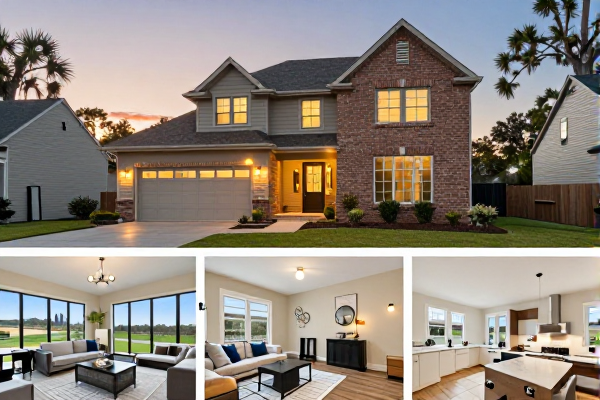
For home buyers and investors targeting Jacksonville, Florida, in 2026, understanding zip codes is not just about mail delivery; it's a critical first step in evaluating property values, neighborhood character, and investment potential. Jacksonville's vast geographic area, the largest by landmass in the contiguous U.S., means that real estate markets can vary dramatically from one zip code to another. This guide provides an objective analysis of how zip codes correlate with median home prices, property taxes, and community amenities to inform your search.
A zip code in Jacksonville serves as a key identifier for specific market conditions. When you search for properties within a particular zip code, you are effectively filtering for a set of shared characteristics, including school district ratings, proximity to employment hubs like Downtown or the Southside, and access to recreational areas such as the St. Johns River or the beaches. For accurate assessment, buyers should cross-reference zip code data with recent sales comparables, or "comps," provided by a licensed real estate agent. This data-driven approach helps set realistic expectations for purchase prices and property tax obligations, which are calculated based on local millage rates.
To illustrate the market diversity, the table below outlines sample data for select zip codes based on recent trends and projections for 2026. Note that these are median estimates and individual properties will vary.
| Zip Code | Representative Neighborhood | Median Home Price (Est. 2026) | Notable Features |
|---|---|---|---|
| 32256 | Bartram Park | $410,000 | Master-planned communities, top-rated schools, near I-95 |
| 32223 | East Arlington | $325,000 | Waterfront access, suburban feel, more affordable options |
| 32250 | Jacksonville Beaches | $575,000 | High demand, vibrant lifestyle, proximity to Atlantic Ocean |
| 32218 | Northside | $255,000 | Significant growth potential, larger lots, industrial proximity |
| 32207 | Avondale/Riverside | $485,000 | Historic homes, walkable, trendy restaurants and shops |
The disparity in median home prices, from the $250,000s in Northside to over $575,000 in the Beaches area, highlights the importance of geographic targeting. Factors such as Property Tax—an annual fee levied by local governments based on a property's assessed value—will also be higher in areas with higher home values. Buyers must factor this into their long-term budgeting.
Begin your search by identifying your primary needs: budget, commute time, and desired lifestyle. Then, use online real estate portals to filter listings by your prioritized zip codes. When evaluating a property, go beyond the listing price. Research the specific Property Tax history for that home and investigate the neighborhood's Covenants, Conditions, and Restrictions (CC&Rs), which are rules set by a homeowners' association (HOA) that govern property use. It is also advisable to review crime statistics and school ratings, which are typically aggregated by zip code, to get a holistic view of the community's quality of life.
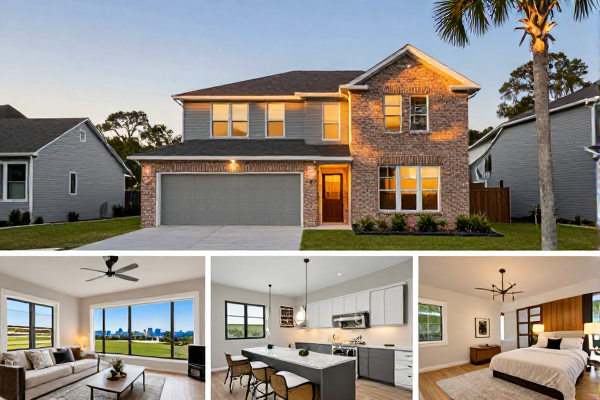
Property taxes are a major recurring cost of homeownership and are directly influenced by your zip code. Each zip code falls within a specific tax jurisdiction that sets its millage rate. For example, a home in zip code 32256 (Bartram Park) may have a different effective tax rate than one in 32207 (Avondale) due to varying city and county service costs. Furthermore, some zip codes encompass Community Development Districts (CDDs), which levy additional taxes to fund infrastructure, impacting the overall cost of ownership. A thorough review of the property's tax assessment is essential before making an offer.
To make an informed decision in the Jacksonville real estate market, leverage zip codes as a strategic tool. Focus your search on areas that align with your financial plan and lifestyle goals, always verifying data through professional sources to navigate the diverse opportunities successfully.