Browse

Log in / Register
 Share
Share
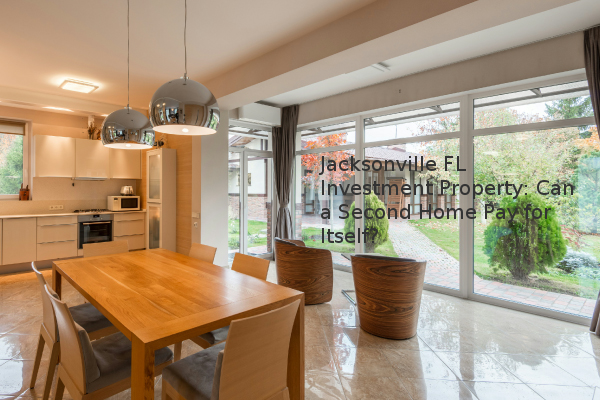
For real estate investors, Jacksonville, Florida, presents a compelling proposition: a second home where summer rental income can potentially cover the entire annual mortgage, creating a profitable, low-barrier entry into the market. Based on an analysis of 2024 market data, a property in Jacksonville can generate enough peak-season revenue to not only meet its yearly financial obligations but also produce a surplus, making it a standout opportunity for value-focused investors.
How Does Jacksonville's Rental Income Compare to Mortgage Costs?
The core of Jacksonville's appeal lies in its favorable balance of affordable property prices and strong rental demand. According to AirDNA data from summer 2024, the average daily rent for a property in Jacksonville was $272. Over a typical 14-week high season, this translates to gross rental income of approximately $26,665.
On the purchase side, with a median home price of $299,000, the estimated monthly mortgage payment is around $1,767, or $21,204 annually. This means the income from a single summer season can fully cover the yearly mortgage payment, leaving a potential surplus of over $5,000. This positive cash flow from day one reduces the incentive for a quick sale, a significant advantage in any market.
What Makes Jacksonville Attractive to Small-Scale Investors?
Jacksonville's market dynamics align perfectly with the goals of individual investors. A 2024 national investor report indicated that small investors accounted for 59.2% of all investor purchases. These buyers often seek markets with a manageable buy-in and clear profit potential without the volatility of luxury destinations.
Jacksonville offers precisely this combination. Its cost of living and property prices remain below the national average, creating a lower financial barrier to entry. Furthermore, the city's steady demand, driven by its Atlantic coastline, revitalized downtown, and family-friendly amenities, provides the consistent rental activity investors need. This makes it an ideal market for newer or budget-conscious individuals looking to build a real estate portfolio.
What is the Long-Term Investment Potential Beyond the Summer Season?
While the summer season alone can make a Jacksonville property financially viable, the potential for year-round returns strengthens its long-term outlook. Jacksonville's climate supports tourism outside the peak summer months, allowing for potential off-season bookings. This creates an opportunity for owners to generate additional income that could cover property taxes, insurance, maintenance costs, and further increase profitability.
The ability to use peak-season revenue to cover the base mortgage opens the door for off-season income to contribute directly to net gain. For an investor, this model transforms a second home from a seasonal asset into a potentially consistent source of revenue, supporting long-term wealth building rather than just short-term coverage of costs.
In summary, Jacksonville stands out as a market where strategic investors can achieve tangible financial goals. The key takeaways for investors are:
For those asking if a second home can pay for itself, Jacksonville’s current market data provides a convincing case study.