Browse

Log in / Register
 Share
Share
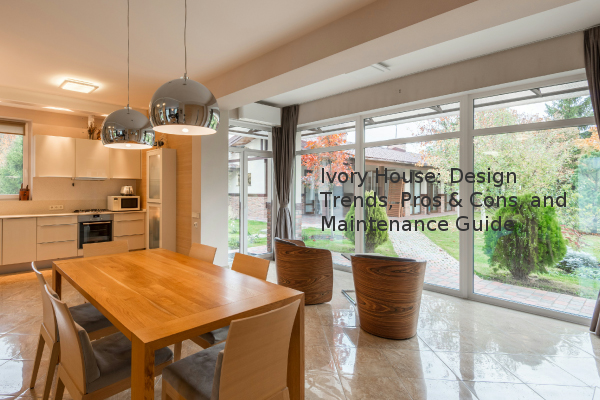
An ivory house offers a timeless aesthetic that blends classic elegance with modern curb appeal. This color choice is not merely a trend but a strategic design decision that can enhance a home's visibility, perceived value, and architectural details. However, choosing an ivory exterior requires careful consideration of maintenance, regional styles, and long-term durability. This guide provides an objective overview of the key factors involved in selecting and maintaining an ivory-colored home, based on an assessment of prevalent design practices.
What is the Appeal of an Ivory House?
The color ivory, a soft shade with warm undertones, provides a neutral yet distinct backdrop for any architectural style. Unlike stark white, an ivory house absorbs and reflects light in a way that can make a property appear more welcoming and larger. It serves as an excellent canvas to highlight other elements, such as dark window trim, natural stone accents, or a boldly colored front door. From a practical standpoint, lighter colors like ivory are known to reflect solar heat more effectively than darker hues, which can contribute to lower cooling costs in warmer climates. This makes it an energy-efficient consideration for homes in sun-intensive states.
Design Trends and Architectural Compatibility
Ivory is exceptionally versatile. For traditional homes like Victorians or Colonials, ivory can honor historical authenticity while providing a fresh, clean look. In modern and contemporary architecture, an ivory house often uses a monochromatic scheme, where the siding, trim, and even gutters are shades of ivory, creating a sleek, unified appearance. A current trend involves pairing an ivory exterior with black or dark bronze fixtures and hardware—a combination known for its high contrast and sophisticated appeal. It's also a popular choice for homes aiming for a "transitional" style, which merges classic and contemporary elements.
When considering this color, it's crucial to evaluate the home's surroundings. In a neighborhood with a lot of greenery, an ivory house can stand out beautifully. In a desert landscape, its warm undertones complement the natural environment. Before committing, review any applicable Homeowners Association (HOA) covenants, as they may have rules governing exterior color palettes.
| Feature | Recommended Pairing with Ivory Siding | Effect |
|---|---|---|
| Roofing | Chargray, Dark Brown, Weathered Wood | Creates strong, grounded contrast |
| Shutters/Door | Navy Blue, Forest Green, Black | Adds a bold, classic focal point |
| Trim | Bright White, Same Ivory (monochromatic) | Defines details or creates a seamless look |
| Accents | Natural Stone, Brick, Weathered Copper | Adds texture and organic elements |
Practical Considerations: Maintenance and Longevity
The primary challenge with an ivory house, as with any light-colored exterior, is maintenance. Dirt, pollen, and mildew are more visible than on darker surfaces. The siding material is a critical factor. For example, ivory vinyl siding is relatively low-maintenance and can be cleaned with a garden hose or mild pressure washing. On the other hand, ivory-painted wood or stucco will require more diligent upkeep, including repainting every 5-10 years to prevent chalking and fading, especially in areas with high sun exposure.
The quality of the paint or siding material significantly impacts longevity. Higher-grade paints with built-in UV protection and mildew resistance will maintain their appearance longer. It is also advisable to inspect the exterior annually for signs of discoloration or damage, addressing issues promptly to avoid more extensive repairs. Proper maintenance is not just about aesthetics; it protects the structural integrity of the home from moisture and pest intrusion.
Weighing the Pros and Cons
To make an informed decision, a balanced view of the advantages and disadvantages is essential.
Pros:
Cons:
Conclusion: Is an Ivory House Right for Your Property?
Selecting an ivory exterior is a significant decision that blends aesthetic desire with practical responsibility. The key to a successful ivory house is a commitment to regular maintenance. Before proceeding, assess your local climate, the architectural style of your home, and your willingness to perform upkeep. Choosing high-quality materials and professional application is a non-negotiable factor for long-term satisfaction. Ultimately, an ivory house can be a stunning and valuable choice, provided the practical aspects are fully understood and planned for.