Browse

Log in / Register
 Share

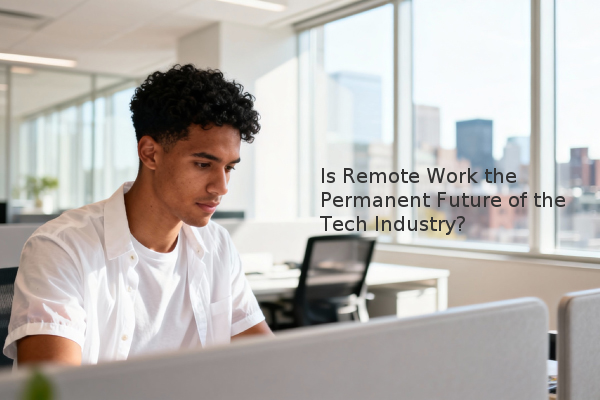
Based on industry data and prevailing trends, remote work is indeed becoming a permanent fixture in the tech sector. A staggering 96% of tech employees now expect this shift to be lasting, driven by advantages in talent access and work-life balance. However, this new paradigm requires deliberate strategies to overcome challenges in company culture, employee well-being, and training.
Fostering company culture and team cohesion without a shared physical space is a primary challenge. A significant 62% of employees hesitant about full-time remote work cite this as their chief concern. The solution requires a more intentional effort than in a traditional office. Based on our assessment experience, successful strategies include:
This intentional approach to connection is critical for long-term talent retention.
While 86% of tech professionals cite better work-life balance as a key reason for wanting remote work, the line between professional and personal life can easily blur. The integration of workspace and living space can lead to an "always-on" mentality, increasing the risk of burnout. To prevent this, both individuals and companies must establish clear boundaries:
Proactively managing these boundaries is not a perk but a necessity for sustainable remote work.
A structured virtual training regimen is essential for onboarding new hires and developing existing employees. Tech companies cannot allow skill development to decline when moving to a remote or hybrid model. This creates an opportunity for startups specializing in software solutions for remote learning and collaboration. Key focus areas include:
This focus on remote skill development is crucial for maintaining a competitive edge.
The transition to permanent remote work in tech is not just a logistical change but a cultural evolution. Success hinges on building trust intentionally, protecting employee well-being through clear boundaries, and investing in robust virtual training systems. Companies that master these areas will be best positioned to attract and retain top talent in an increasingly distributed landscape.