Browse

Log in / Register
 Share

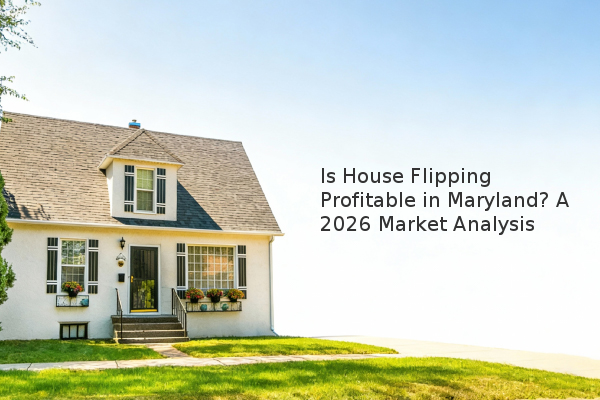
House flipping in Maryland remains a viable investment strategy in 2026, with average gross profits holding strong and high buyer demand in key metropolitan areas. Based on our experience assessment, successful flips hinge on strategic location selection, disciplined renovation budgets tailored to specific housing stocks, and professional staging. This analysis outlines the core financials, top markets, and critical considerations for investors.
Recent industry data indicates that Maryland continues to rank among the top states for house flipping profitability. The average gross profit for a flipped property in the state is approximately $150,000, yielding an average return on investment (ROI) of around 8%. ROI is a key performance metric used to evaluate the efficiency of an investment. This strength is primarily driven by the state's proximity to major employment hubs like Washington, D.C., which sustains consistent demand for housing. The ongoing tight inventory market means well-renovated homes are commanding premium prices, creating a favorable environment for flippers who can accurately identify undervalued properties, often referred to as "fixer-uppers."
Location is paramount. Investors should focus on areas with strong buyer demand and a supply of properties needing renovation.
Maryland's housing inventory is diverse, spanning from early-20th-century homes to late-20th-century builds. A one-size-fits-all renovation approach is ineffective.
Absolutely. In competitive markets, professional home staging can significantly influence both the final sale price and the time a property spends on the market. Staging helps buyers visualize themselves living in the space, enhancing its emotional appeal. Particular attention to high-impact areas like the living room and primary bedroom is essential. Well-staged homes consistently sell faster and for closer to, or above, the asking price, making the investment in staging a wise one for maximizing ROI.
To succeed in Maryland's house flipping market, focus on location-specific strategies, budget meticulously for renovations with a built-in contingency, and never underestimate the value of professional staging to secure the best possible return.