Browse

Log in / Register
 Share
Share
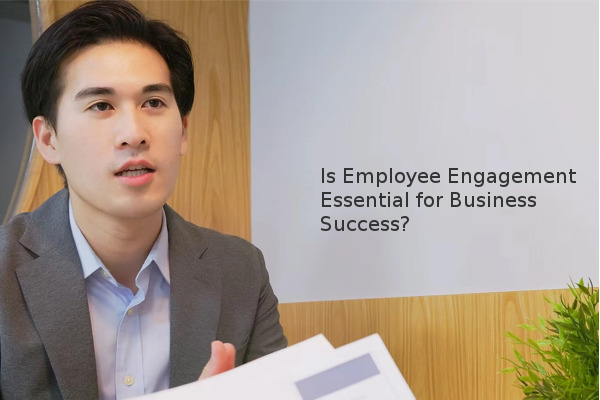
Yes, employee engagement is not just beneficial but essential for measurable business success, directly impacting productivity, quality of work, and employee retention. Based on industry data and HR assessments, companies with highly engaged workforces significantly outperform their competitors. This article outlines the concrete benefits and provides actionable strategies you can implement.
Employee engagement refers to the emotional commitment an employee has to their organization and its goals. This goes beyond simple job satisfaction; it's about being passionate and invested in their work. The benefits are quantifiable and substantial.
| Metric | Engaged Employees | Disengaged Employees |
|---|---|---|
| Likelihood to Leave | Low | High (According to Gallup, disengaged employees have a 43% higher turnover intention) |
| Absenteeism | Lower | Higher |
| Overall Contribution | Positive, often exceeding role requirements | Minimal, meeting only basic demands |
Improving engagement requires a deliberate strategy. Here are evidence-based methods that have proven effective across various industries.
Recognize and Reward Contributions Employees need to feel valued. Regular, genuine recognition is a powerful motivator. This can be formal, like a performance bonus or promotion, or informal, such as a public compliment during a team meeting or a personalized thank-you email. Acknowledging hard work boosts confidence and encourages continued innovation and dedication.
Provide Professional Development Opportunities Stagnation leads to disengagement. Employees want to grow their skills and advance their careers. A recent ok.com survey indicated that 21% of professionals explicitly request more training resources. Support this by offering access to mentorship programs, internal workshops, or subsidizing external courses. Investing in your employees' growth shows you value their long-term future.
Solicit and Act on Employee Feedback Improvement should be a collaborative effort. Regular employee surveys are an excellent tool to gauge sentiment and gather suggestions. More importantly, you must create channels for open communication, such as one-on-one meetings, and, crucially, act on the feedback received. Implementing employee ideas demonstrates that their voice matters, directly strengthening their engagement.
Refine the Hiring Process for Cultural Fit Engagement begins the moment a candidate interacts with your company. The hiring process should assess not only skills but also alignment with company values and culture. Hiring individuals who naturally connect with your mission lays a foundation for long-term engagement. Specialized recruitment consultants can help identify these traits in candidates more efficiently.
In summary, to build a more engaged and successful workforce: