Browse

Log in / Register
 Share


Co-living is evolving from a niche concept into a significant trend in urban development, offering a potential solution to housing affordability crises in major U.S. cities. This model, which involves renting private bedrooms within larger, shared apartment suites, is gaining institutional investment and scaling up with new, purpose-built properties. The core appeal of co-living is its ability to provide urban housing at a cost below traditional studio apartments, while including utilities, amenities, and a built-in community. For young professionals and others priced out of competitive rental markets, this housing alternative represents a pragmatic compromise between cost, location, and quality of life.
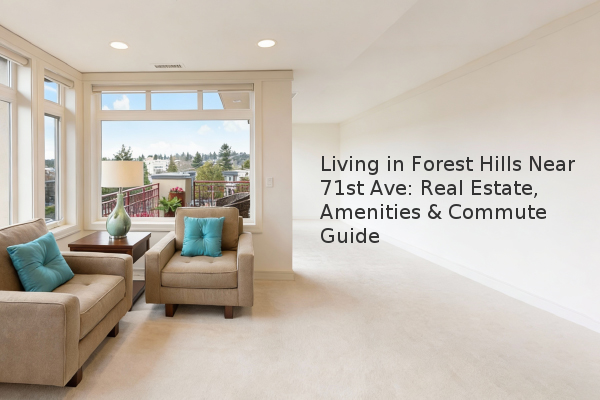
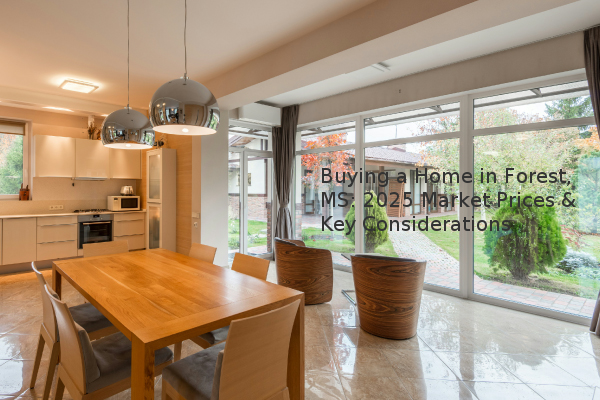
Co-living is a modern housing arrangement where residents lease a private, furnished bedroom but share access to common areas like kitchens, living rooms, and often amenities such as co-working spaces and fitness centers. Unlike a standard roommate situation, co-living is typically managed by a professional company that handles leasing, maintenance, and provides services like cleaning. The concept is designed to maximize space efficiency and foster community, making it distinct from traditional apartment rentals. The fundamental principle is to reduce individual housing costs by sharing the expense of desirable common spaces and location.
The growth of co-living is directly tied to the persistent affordability challenges in urban centers. Data from apartment-research firms indicates that the average number of lease-signers per unit has increased over the past decade, signaling a greater willingness to share housing to manage costs. For developers, co-living presents an alternative to the oversupplied luxury apartment market. The economic driver for developers is achieving higher revenue per square foot by configuring buildings with a higher density of rent-paying residents compared to conventional units. Furthermore, new state legislation in places like California can streamline permitting for projects that include an affordable housing component, making large-scale co-living developments more financially feasible.
Early co-living ventures often involved retrofitting existing apartments, which posed limitations on design and community-building. The current wave of co-living, however, is characterized by ground-up development. This allows architects to intentionally design buildings around the concept, creating optimized private spaces surrounded by large, vibrant common areas. Purpose-built co-living properties can offer superior amenities, such as market halls, outdoor terraces, and organized social events, which were difficult to implement in retrofitted buildings. This shift from adaptation to intentional design is a sign of the sector's maturation and appeal to larger, more conservative investors.
For individuals considering co-living, the decision hinges on balancing privacy with affordability and community. While rents are generally lower than for a studio apartment in the same city, residents must be comfortable sharing significant portions of their living space. It is crucial to thoroughly review the lease agreement to understand what is included, such as Wi-Fi, utilities, and cleaning services, and the specific rules governing common areas and guest policies. Based on our experience assessment, visiting a property and speaking with current residents can provide invaluable insight into the actual community dynamic and noise levels.
The long-term viability of co-living will depend on its ability to deliver consistent value to both residents and investors. While the trend shows promise, the real estate industry has historically been slow to adopt new models. The success of several large-scale projects breaking ground in 2026 will be a critical test. The key to sustained growth will be proving that co-living is not a passing trend but a durable housing typology that can adapt to economic shifts and changing urban demographics. Its evolution will be closely watched as a potential blueprint for addressing housing shortages.
In summary, co-living in 2026 represents a sophisticated and increasingly institutionalized housing option. For renters, the primary benefits are significant cost savings and instant community in high-cost urban areas. For the real estate market, it offers a innovative approach to density and land use. As with any housing decision, due diligence is essential, but the model's continued expansion suggests it is effectively meeting a clear market demand for affordable, community-oriented urban living.