Browse

Log in / Register
 Share
Share
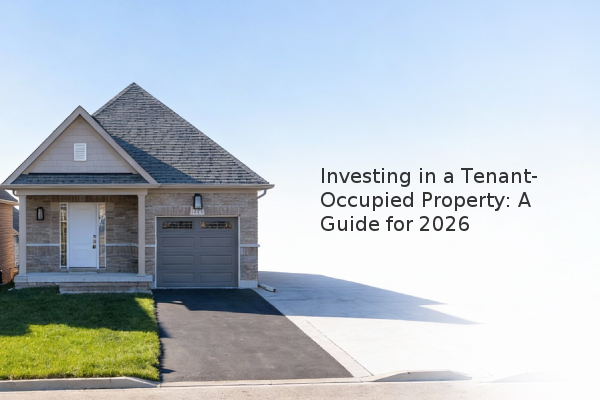
Investing in a tenant-occupied property can provide immediate rental income and bypass the hassles of finding a tenant. However, this real estate investment strategy requires careful consideration of the existing lease agreement, tenant quality, and local market laws. Based on our experience assessment, the primary advantage is a turnkey operation that generates cash flow from day one, but investors must be prepared to act as a passive landlord for the lease's duration. This guide outlines the critical factors to evaluate before purchasing a property with a sitting tenant.
The most significant benefit is the instant generation of rental income. Unlike a vacant property that requires marketing and time to lease, a tenant-occupied unit begins cash flowing immediately upon purchase closing. This is often referred to as a turnkey investment. Furthermore, the investor avoids costs associated with tenant turnover, such as advertising, cleaning, and potential repairs to make the unit rent-ready. The previous owner has already handled the vetting process, providing a documented history of on-time payments, which reduces initial risk.
The primary consideration is the legally binding lease agreement. As the new owner, you inherit all terms of the existing lease. You cannot raise the rent, alter the rules, or ask the tenant to leave until the lease expires. It is crucial to review this document thoroughly. Key items to assess include the monthly rent, security deposit details, lease expiration date, and any specific tenant rights or renewal options. A potential drawback is inheriting a problematic tenant or a rental rate below the current market value, which could affect your return on investment.
Conducting rigorous due diligence is non-negotiable. This process involves several critical steps beyond a standard home inspection. First, obtain and scrutinize the lease agreement. Second, review the tenant's payment history to confirm consistency. Third, consider a professional property inspection to assess the home's condition, understanding that the tenant's occupancy may limit access to some areas. Finally, research local rent control laws and landlord-tenant regulations, which vary significantly by state and municipality and can impact your rights as a property owner.
A sound financial evaluation goes beyond the purchase price. Calculate the cap rate (capitalization rate), which helps estimate the potential return on an investment property. The formula is (Net Operating Income / Property Price) x 100. The Net Operating Income (NOI) is the annual rental income minus operating expenses like property taxes, insurance, and estimated maintenance costs. Compare this cap rate to other similar investment properties in the area. Additionally, factor in future costs, such as a potential dip in income when the lease ends and a new rental rate is negotiated.
In conclusion, purchasing a tenant-occupied property offers a path to immediate cash flow but demands careful analysis. Prospective investors must: