Browse

Log in / Register
 Share
Share
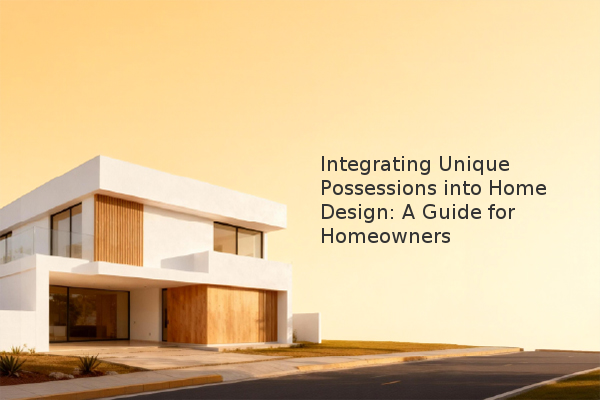
Integrating unique, large, or unconventional personal items into a home's design can significantly enhance its character and value, but it requires careful planning to maintain aesthetic cohesion and functionality. Success hinges on treating these pieces as focal points, using neutral backgrounds, and ensuring the overall design supports the item without overwhelming the space. The key is to balance personal expression with broad market appeal, especially if considering a future sale. Based on our experience assessment, homes with well-integrated unique features often stand out positively in the real estate market.
What are the foundational principles for designing around a large statement piece? When a client owns a large sculpture, painting, or unconventional furniture item, the design should complement, not compete. The most effective approach is to use the piece as the room's anchor. This often involves selecting a neutral color palette for walls and major furnishings to make the statement piece pop. For example, a vibrant blue sculpture is best showcased against a simple, bright white backdrop. Lighting is also critical; strategic spotlights or track lighting can draw the eye directly to the item. The goal is to create a gallery-like effect where the architecture frames the art, enhancing both the object and the living space.
How can you functionally incorporate unusual collections or items? Some possessions, like a collection of antique statues or a prized taxidermy piece, may not fit traditional decor schemes. The solution is to find a functional or contextual role for them. A collection of garden statues, for instance, can become an enchanting element along a garden path, adding whimsy and personality to the outdoor space. Similarly, a very large piece of art can serve an architectural purpose, such as acting as a privacy screen in a loft with expansive windows. This method transforms a potential challenge into a unique selling point, adding narrative and character to the property.
What should you consider regarding privacy and unconventional items? Personal items that are private or unconventional in nature require discreet integration to maintain comfort for all household members and potential future buyers. If an item is intended for private use, its placement should be confined to personal spaces like the master bedroom. Design strategies can include using bedding, throws, or strategic furniture placement to downplay certain aspects when not in use. The principle is to prioritize the homeowner's enjoyment while ensuring that the room's overall aesthetic remains sophisticated and adaptable, preserving the property's appeal.
Finalizing your design plan requires a practical assessment. Before finalizing any design that incorporates unique elements, it is wise to consider the long-term implications. This involves checking homeowners association (HOA) rules or local regulations, especially for installations like custom built-in aquariums or ranges. Furthermore, while personalization adds value, it's important to gauge its impact on the home's future marketability. A well-executed integration should feel intentional and enhance the living experience without making the space overly niche. Documenting the design rationale can also be helpful for future appraisals or sales, demonstrating the thoughtful intention behind the unique features.