
Browse

Log in / Register
 Share
Share
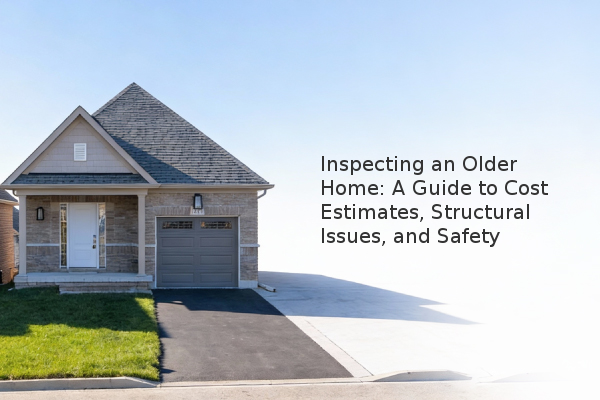
Purchasing an older home requires a specialized inspection process focused on structural integrity, hidden hazards, and complying with historic preservation standards. The core strategy involves hiring a specialist home inspector, obtaining detailed repair estimates, and being prepared to walk away from properties with severe structural problems. This due diligence is critical to avoid unforeseen financial burdens and ensure the property is a sound investment.
A general home inspection may not uncover issues specific to older constructions. You need an inspector who specializes in historical homes or, for suspected major issues, a structural engineer (a professional engineer specializing in the integrity of building structures). They are trained to identify problems like settling foundations, outdated wiring systems such as knob-and-tube, and deteriorating structural beams that a standard inspector might miss. Based on our experience assessment, this specialized inspection is the first and most non-negotiable step.
After the inspection provides a list of necessary repairs, the next step is to get detailed price estimates from licensed contractors. This is not about getting a single rough guess. You should solicit at least three itemized quotes for all major work, such as roof replacement, foundation repair, or plumbing overhaul. These estimates transform abstract problems into concrete financial figures, allowing you to renegotiate the purchase price or budget for post-purchase repairs. Always factor in a contingency of 10-20% for unforeseen issues that arise during repairs.
Older homes often contain materials that are now known health hazards. It is essential to verify the house meets current safety standards through specific tests. This includes checks for asbestos (a hazardous fibrous mineral once used for insulation and fireproofing) and lead-based paint, which was banned for residential use in 1978. Passing these tests is crucial for your family's health and may be required for certain types of financing. Failure to address these issues can lead to expensive abatement procedures later.
Your emotional attachment to a character-filled home must be weighed against objective financial reality. If the inspection reveals major structural problems—such as a failing foundation, extensive termite damage, or a compromised roof structure—the most prudent decision is often to walk away. The long-term financial drain and constant repairs can far exceed your initial investment. Major structural repairs can easily cost tens of thousands of dollars, fundamentally changing the investment calculus.
If the home is designated as a historic structure, your remodeling plans will be governed by local and state regulations, often based on the Secretary of the Interior's Standards for Rehabilitation. Carefully study these standards before purchase. You may have ideas for expansions or modernizations that you will not be permitted to execute. These regulations can dictate everything from the type of windows you install to the exterior paint colors. Non-compliance can result in fines and being forced to undo unauthorized work, so understanding these restrictions is a key part of your decision-making process.
In conclusion, a successful purchase hinges on a disciplined, unemotional approach. The essential steps are: hiring a qualified specialist inspector, securing multiple contractor estimates to understand true costs, verifying the home passes critical health hazard tests, and thoroughly researching any historic preservation covenants. This process empowers you to make an informed decision and protects you from the significant risks associated with older properties.


