Browse

Log in / Register
 Share
Share
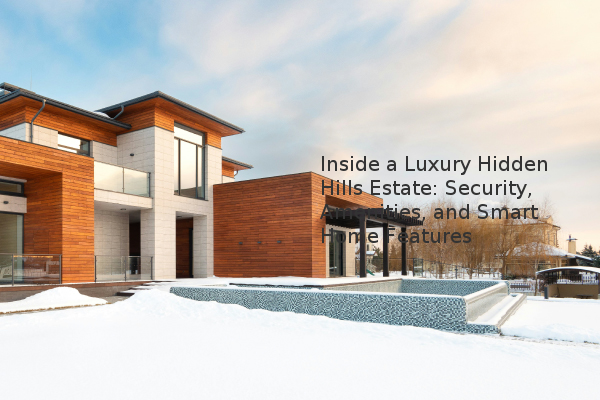
For high-net-worth individuals considering a luxury real estate purchase in 2026, properties like the Hidden Hills, California estate owned by Kylie Jenner exemplify key market trends. Privacy, resort-style amenities, and integrated smart home technology are paramount in this segment. Based on our experience assessment, such properties prioritize security features, multiple high-end amenities like dual swimming pools and sport courts, and automated home systems that define contemporary luxury living.
Gated communities represent the first layer of security for luxury properties. However, as seen in this example, an individual estate often includes a secondary, private gate and a dedicated security guard post. This layered approach ensures maximum privacy and controlled access. For buyers, it is crucial to understand that comprehensive security systems are a non-negotiable feature in this market segment, directly impacting property value and desirability. Beyond physical barriers, these systems often include advanced surveillance and monitoring, which are considered standard for protecting high-value assets.
The outdoor living space of a luxury home functions as a private resort. This particular property boasts two distinct swimming pools: a large resort-style pool with an attached spa and a separate lap pool. Additionally, a full-sized sport court for tennis and basketball and a manicured lawn with a cabana significantly enhance the property's utility and appeal. These amenities support an active, entertainment-focused lifestyle without the need to leave the estate. When evaluating a property, premium outdoor amenities are a significant value driver, often accounting for a substantial portion of the overall appraisal in markets like Hidden Hills.
The architectural style of a luxury home contributes significantly to its character and market positioning. This estate is a prime example of Mediterranean design, characterized by its imposing stone exterior, wrought-iron railings, and red-brick pathways. This style, popular in Southern California, emphasizes a connection to the outdoors and a sense of timeless elegance. Key elements include arched openings, stucco walls, and tile roofing. Understanding these architectural details helps buyers identify properties that align with their aesthetic preferences and hold long-term value due to their classic appeal.
Smart home technology has evolved from a novelty to a standard expectation in luxury real estate. Automated systems, such as the motorized window shades featured in this home, provide convenience, energy efficiency, and enhanced security. A fully integrated smart home system can control lighting, climate, audio-visual equipment, and security from a single interface. For a busy professional, this level of automation is not just a luxury but a practical necessity. Investing in a property with advanced smart home infrastructure ensures the home meets modern standards of comfort and efficiency, which is a key consideration for discerning buyers in 2026.
When evaluating a luxury property, prospective buyers should prioritize a comprehensive security assessment, carefully inventory all outdoor and indoor amenities, verify the quality of smart home system integrations, and consider the long-term value of architectural integrity. Focusing on these verifiable features provides a solid framework for making an informed investment decision in the competitive high-end real estate market.