Browse

Log in / Register
 Share
Share
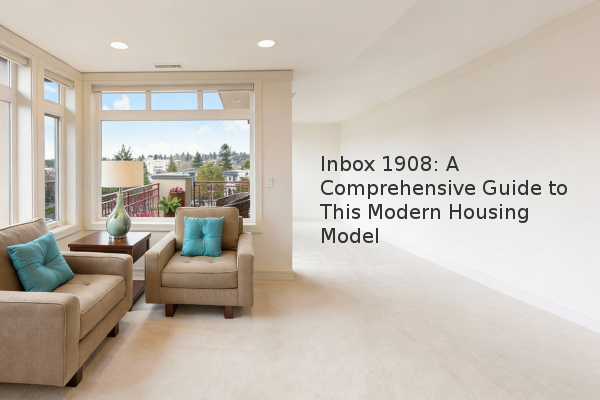
The Inbox 1908 represents a specific category of modern, often prefabricated or modular, housing designed for efficiency and affordability. This model is gaining attention as a viable solution for first-time homebuyers, real estate investors, and downsizers seeking a cost-effective and low-maintenance property. The core value proposition of an Inbox 1908 home lies in its streamlined construction process, energy-efficient design, and typically lower price point compared to traditional site-built homes. Understanding its features, financial implications, and purchasing process is essential for making an informed real estate decision.
An Inbox 1908 is not a standard stick-built home but falls under the category of manufactured or modular housing. These homes are constructed in sections within a controlled factory environment, then transported to the building site for assembly and installation on a permanent foundation. The "1908" designation often refers to the specific model or series, indicating a particular floor plan and set of features. Key characteristics include modern aesthetics with clean lines, open floor plans, and a focus on sustainable materials. Because they are built indoors, construction is not delayed by weather, and materials are protected from the elements, potentially leading to higher build quality and less waste. It is crucial to understand that once installed on a permanent foundation, these properties can be classified as real estate, meaning they can appreciate in value similar to traditional homes, unlike mobile homes which are often classified as personal property.
The affordability of an Inbox 1908 is a primary driver of its appeal. However, a thorough financial assessment is necessary. The initial purchase price is often lower, but buyers must account for site preparation costs, including pouring a foundation, utility hookups, and permits. Securing financing for this type of home can differ from a conventional mortgage. Lenders may have specific requirements, so it's important to seek out loan programs designed for manufactured or modular housing. Regarding property taxes, the home will be assessed based on its value once completed and affixed to the land, just like any other house. The following table outlines a basic comparison of potential costs.
| Cost Factor | Inbox 1908 (Estimated) | Traditional Home (Estimated) |
|---|---|---|
| Base Price | $150,000 - $250,000 | $300,000 - $500,000+ |
| Site Preparation & Foundation | $20,000 - $50,000 | Included in Sale Price |
| Financing Interest Rate | May be 0.5% - 1% higher | Standard Market Rate |
| Total Initial Investment | $170,000 - $300,000 | $300,000 - $500,000+ |
Buying an Inbox 1908 involves a unique process compared to purchasing an existing home. It typically begins with selecting a model and customizing features with the manufacturer or dealer. Next, you must secure a suitable piece of land, ensuring local zoning regulations permit this type of dwelling. A critical step is arranging for a general contractor to handle the site work, including the foundation and final installation. Title insurance is a form of indemnity insurance that protects against financial loss from defects in the title to the property. It is just as important for this type of home purchase. Once the home is delivered and installed, a final inspection by local building authorities is required to receive a certificate of occupancy, which legally permits habitation. Based on our experience assessment, working with a real estate agent familiar with alternative housing can streamline this multi-step process.
Determining if an Inbox 1908 aligns with your goals depends on your priorities. It is an excellent option for those prioritizing affordability, energy efficiency, and a faster move-in timeline. It can be a strategic purchase for investors looking for a rental property with a strong return on investment. However, it may not be ideal for buyers who prioritize highly customized architectural details or who are purchasing land in a community with restrictive covenants, conditions, and restrictions (CC&Rs) that prohibit modular homes. Resale value can be strong, but it is often closely tied to the desirability of the neighborhood and the overall quality of the installation.
In summary, an Inbox 1908 offers a modern, affordable path to homeownership but requires careful due diligence. Key takeaways include: secure financing tailored to modular homes, verify all local zoning laws, and hire experienced contractors for site preparation. By thoroughly researching each step, you can confidently evaluate whether this innovative housing model meets your real estate needs.