Browse

Log in / Register
 Share
Share
Building a home in Florida requires specific, robust features to withstand hurricane-force winds and heavy rain. For homeowners in 2026, prioritizing safety means incorporating cinderblock construction up to the roof, hurricane-strapped roof trusses, and impact-resistant windows. These elements, combined with strategic landscaping and thoughtful design, create a durable and secure living environment. This guide outlines the essential considerations for constructing a hurricane-resistant home based on proven building science.
When building in a high-wind zone like Florida, the choice of structural material is critical. Cinderblock construction, also known as Concrete Masonry Units (CMUs), offers superior resistance compared to wood framing. In this method, walls are built with cinderblocks from the foundation all the way up to the roof's rafters. This creates a monolithic, heavy structure that is far less likely to be compromised by extreme wind pressure or flying debris. While this is labor-intensive and can lead to higher material costs, the investment in full-height cinderblock walls is a fundamental step toward creating a home that can withstand the elements. Based on our experience assessment, this construction method provides a predictable level of security that is a top priority for coastal living.
A common point of failure during a hurricane is the roof. To prevent it from lifting off, builders use a system of roof trusses (pre-fabricated triangular wood structures that form the roof's frame) that are securely anchored to the cinderblock walls. The key is using tie-down straps, also known as hurricane straps, which are metal connectors that are fastened to the trusses and then bolted directly into the wall's top plate. These straps are installed at regular intervals, typically every 24 inches, along the entire perimeter of the roof. This system effectively ties the roof to the walls, creating a unified structure that is highly resistant to being torn apart by updrafts and wind gusts, which can exceed 200 miles per hour in a major storm.
Standard windows can shatter upon impact from wind-borne debris, pressurizing the home's interior and potentially causing the roof to fail. Impact windows are engineered with a special laminated glass that consists of two panes bonded with a durable plastic interlayer. When struck, the glass may crack, but the interlayer holds it together, preventing the window from shattering and creating a hazardous opening. This maintains the building's envelope and protects the interior from water and wind damage. These windows are rated to withstand impacts and sustained winds of up to 200 mph, offering residents the ability to shelter in place more safely. While an investment, they also contribute to energy efficiency and noise reduction.
The exterior grounds play a significant role in a home's overall resilience. Hurricane-tolerant landscaping focuses on preventing soil erosion that can undermine foundations and cause flooding. Using native, low-maintenance ground covers like peanut grass (a hardy perennial that spreads quickly) helps anchor the soil with its dense root system, allowing it to absorb heavy rains without washing away. Additionally, covering bare soil areas with pine straw or mulch can further reduce erosion. It is also crucial to remove dead or damaged trees from the property before hurricane season, as these are most likely to become dangerous projectiles or fall on the structure.
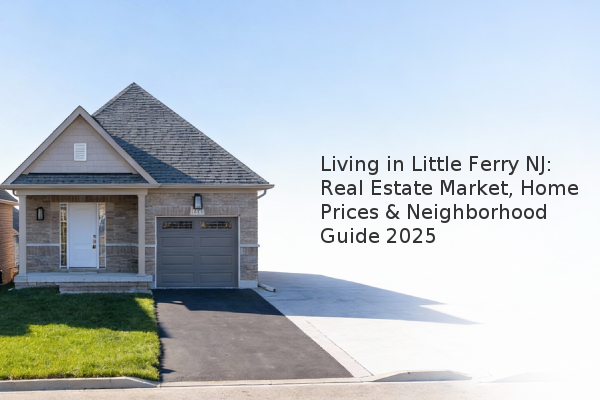
Opting for a single-story home, or a ranch-style floor plan, offers several safety and practical advantages. Firstly, it eliminates the need for stairs during an emergency evacuation or in a power outage. This is a critical consideration for aging in place, ensuring the home remains accessible and safe for residents throughout their lives. From a structural perspective, a single-story home has a lower profile, which can reduce its exposure to direct wind forces compared to a multi-story building. This design choice simplifies the construction of a continuous load path from the roof to the foundation, enhancing the overall structural integrity during a storm.
In summary, constructing a hurricane-proof home in 2026 involves a holistic approach that prioritizes robust materials and intelligent design. Key takeaways include specifying cinderblock construction for the entire wall system, ensuring the roof is securely strapped to the structure, and installing certified impact windows. Externally, choosing the right landscaping and maintaining the property by removing dead trees are essential preventative measures. By focusing on these features, homeowners can build a predictable and secure haven for their families.