Browse

Log in / Register
 Share

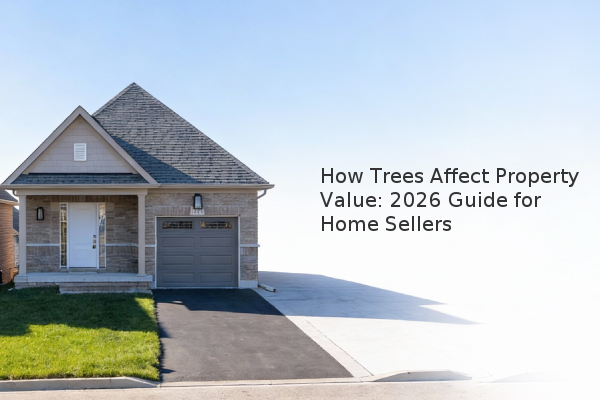
Mature trees can increase property value by up to 15% while providing significant energy savings, but their impact depends entirely on species selection, placement, and maintenance. Based on our experience assessment, well-maintained native trees typically enhance curb appeal and marketability, whereas poorly placed trees can lead to foundation repairs costing up to $25,000. This analysis examines the complete financial implications for homeowners considering planting or selling a property with established trees.
How Do Trees Positively Impact Property Value and Home Efficiency?
Trees function as natural insulation systems, directly reducing energy consumption. A well-placed deciduous tree provides shade during summer months, lowering air conditioning costs, while evergreen varieties act as windbreaks in winter, reducing heating expenses. Strategic tree placement can reduce annual energy costs by up to 25%, according to U.S. Department of Energy data. Beyond utility savings, trees significantly boost curb appeal. A study by the Arbor Day Foundation indicates that landscaped homes with mature trees sell more quickly and for higher prices than comparable properties without them. The psychological benefits are equally important; exposure to greenery has been shown to reduce stress and improve overall well-being, making a property more desirable.
What Are the Potential Risks and Maintenance Costs of Property Trees?
The financial benefits of trees come with ongoing responsibilities. The average cost for professional tree trimming ranges from $200 to $760 per service, with frequency depending on species and growth rate. Homeowners must also consider potential liability issues. If tree limbs encroach on a neighbor's property or cause damage, the financial responsibility typically falls on the tree's owner. Furthermore, certain tree species have invasive root systems that can threaten home foundations and underground plumbing. Repairing foundation damage averages $4,500 nationally, with severe cases exceeding $25,000. Trees planted too close to structures also increase gutter maintenance costs and pose storm damage risks, potentially affecting insurance premiums.
Which Tree Species Offer the Best Return on Investment for Homeowners?
Selecting appropriate species is critical for maximizing benefits while minimizing problems. Native species generally require less maintenance and are more resistant to local pests and diseases. For example, oak and maple trees are widely valued for their durability and shade capabilities. Conversely, fast-growing species like silver maples or willows often have weaker wood and invasive roots, making them poor choices near structures. It is recommended to plant large trees at least 10 feet away from foundations and underground utilities. Consulting with a local arborist can help homeowners select species suited to their specific soil conditions and climate, ensuring long-term health and value retention.
How Should Home Sellers Address Trees During the Sales Process?
For homeowners preparing to sell, tree management requires proactive steps. A professional arborist assessment provides documented proof of tree health, which can be a valuable selling point. This assessment, sometimes called a tree survey, details species, age, health status, and any recommended maintenance. Sellers should address any known issues transparently during disclosures to prevent future legal complications. Pruning overgrown branches and removing diseased limbs enhances safety and appearance. Real estate agents can provide market-specific advice on highlighting mature trees as a premium feature while honestly addressing any buyer concerns about maintenance or potential risks.
Proper tree management is a balance between aesthetic enjoyment and financial practicality. Homeowners should view trees as long-term investments that require informed species selection and consistent maintenance. Before planting or selling, obtaining a professional assessment is the most reliable way to determine a tree's true impact on property value. This approach ensures that natural assets contribute positively to a home's market appeal without creating unexpected financial burdens for current or future owners.