Browse

Log in / Register
 Share
Share
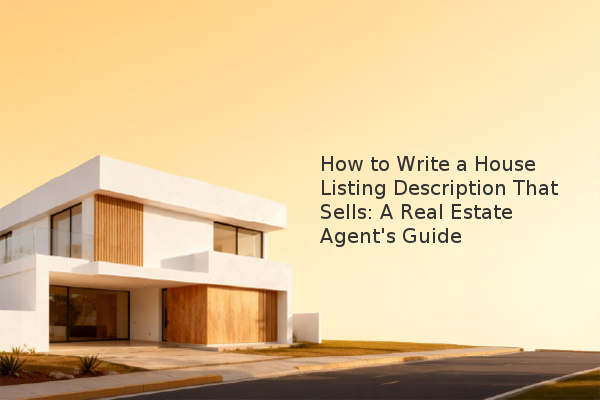
A well-crafted house listing description is a critical tool for generating leads and selling properties faster. By focusing on emotional storytelling, highlighting key features with specific details, and including a clear call to action, you can significantly increase buyer engagement. This guide outlines the essential components of an effective property description, based on our experience assessment of successful real estate marketing.
Your headline is the first, and sometimes only, element a potential buyer will see. It must be sharp, memorable, and under ten words. Incorporate emotion-packed language that highlights the property’s most desirable features, such as ‘move-in ready,’ ‘historic charm,’ or ‘panoramic views.’ For example, a headline like “Modern Craftsman with Mountain Views and Private Deck” immediately creates a compelling image and encourages further reading. The goal is to stand out in a crowded digital marketplace and invite immediate click-throughs.
The first sentence after the headline must build upon the initial hook without repeating it. Paint a vivid picture of the lifestyle the home offers to help buyers visualize themselves living there. For instance, “Step inside this stunning Craftsman home where natural light fills spacious rooms and every detail speaks to quality and comfort” sets a specific scene. Avoid generic adjectives like ‘nice’ or ‘charming.’ Instead, use descriptive language that appeals to the senses and underscores the property’s unique character from the moment a buyer starts reading.
The core of the description, ideally under 250 words, should go beyond basic facts like square footage. Focus on recent renovations, high-end appliances, and unique architectural details that add tangible value. Use phrases like “chef’s kitchen equipped with top-of-the-line appliances” or “spa-like primary bathroom with a soaking tub” to create a narrative. It is crucial to portray the property’s condition honestly. Clearly state if updates are recent or if the home is being sold ‘as-is’ to maintain transparency and manage buyer expectations, which helps prevent legal issues and builds trust.
| Descriptive Element | Example | Impact |
|---|---|---|
| Kitchen | Chef's kitchen with granite countertops and stainless steel appliances | Highlights luxury and functionality |
| Outdoor Space | Professionally landscaped backyard with a built-in fire pit | Emphasizes entertainment potential |
| Primary Suite | Retreat-like primary suite with a walk-in closet and en-suite bathroom | Appeals to desire for comfort and privacy |
In a digital-first market, professional photography provides the visual proof that complements your written narrative. High-quality images build trust and allow for a virtual walk-through. Pair these photos with descriptive captions to add context. Furthermore, always end your description with a clear call to action (CTA). A CTA is a directive that tells the reader what to do next. Direct prompts like “Schedule your private tour today” or “Contact us to learn more” guide potential buyers from passive browsing to active engagement, moving the sales process forward.
Compliance with the Fair Housing Act is non-negotiable. This federal law prohibits discrimination based on race, color, religion, sex, disability, familial status, or national origin. Avoid any language that references these protected classes. Instead, focus solely on the property’s features. Additionally, common mistakes can undermine your professionalism:
Crafting a compelling house description is less about filling space and more about telling a story that resonates with buyers. By combining emotive language with factual honesty, leveraging professional visuals, and guiding the buyer with a clear next step, you transform a simple listing into a powerful marketing tool that can shorten the time on market.