Browse

Log in / Register
 Share
Share
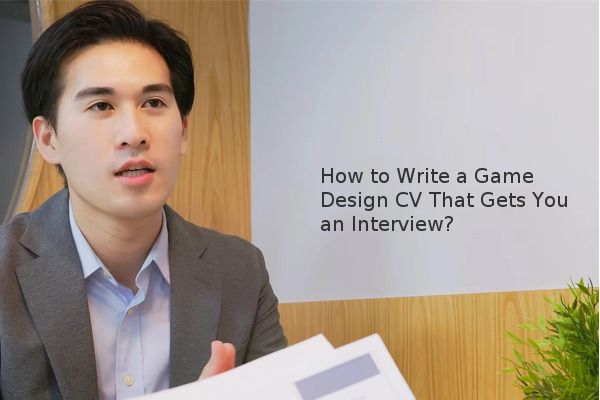
Crafting a standout game design CV requires a strategic blend of showcasing technical skills, relevant project experience, and a clear passion for the industry. To succeed, your CV must be optimized for both human readers and Applicant Tracking Systems (ATS). Focus on a powerful CV summary, quantifiable achievements, and a link to a strong online portfolio to significantly increase your chances of landing an interview.
The CV summary is arguably the most critical section. With recruiters often spending mere seconds on an initial scan, this 3-4 line pitch at the top of your CV must immediately capture their attention. It should be a condensed highlight reel of your most relevant qualifications. An effective summary for a game designer includes:
This section acts as your elevator pitch. It must be tailored for each application, incorporating keywords from the job posting to ensure it passes through ATS scans, which many employers use to filter applications efficiently.
Beyond listing job titles and companies, your professional experience section should tell the story of your contributions and impact. For each role, describe your responsibilities using action verbs and, where possible, quantifiable results.
This approach demonstrates tangible value. If you have limited professional experience, highlight academic projects, internships, or personal projects. Describe them with the same professionalism, detailing the team size, your specific role, the tools used (e.g., Unity, Unreal Engine, C#), and the outcome. This demonstrates practical application of your skills.
The placement and content of your education section depend on your experience level. If you are a recent graduate, place this section near the top. List your degree, institution, graduation year, and any relevant honors or specific course projects related to game design.
For seasoned professionals, education can be placed after professional experience. In either case, the additional skills section is vital. Create a clear, scannable list of your technical and soft skills.
| Technical Skills | Soft Skills |
|---|---|
| Programming Languages (C++, C#, Python) | Creative Problem-Solving |
| Game Engines (Unreal Engine, Unity) | Team Collaboration & Communication |
| 3D Modeling Software (Maya, Blender) | Agile/Scrum Methodology |
| Prototyping & Version Control (Git) | Adaptability & Receiving Feedback |
Your CV's goal is to secure an interview, so preparation is key. Employers will likely ask questions to gauge your passion, problem-solving abilities, and fit within a team. Be ready to discuss:
Research the company extensively—play their games, understand their culture, and be ready to explain why you want to work there specifically.
To build a winning game design CV, prioritize a tailored summary, evidence-based experience, a clear skills matrix, and thorough interview preparation. By strategically presenting your qualifications, you transform your CV from a simple summary into a powerful tool that opens the door to your next career opportunity in game design.