Browse

Log in / Register
 Share
Share
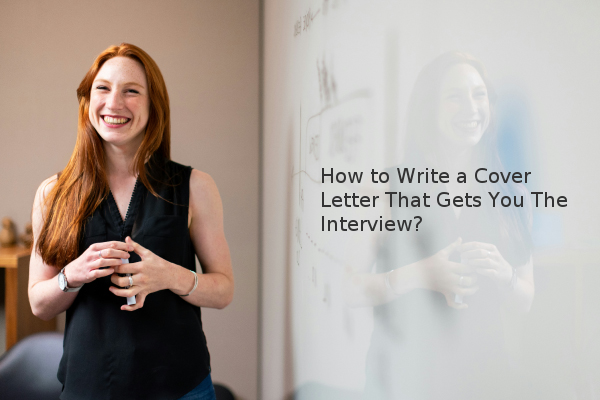
A great cover letter directly increases your chances of landing an interview by showcasing your unique value and aligning your skills with the specific company's needs. Based on our assessment experience, a tailored cover letter is the single most effective way to make your application stand out in a competitive job market. This guide breaks down the essential steps to craft a compelling narrative that hiring managers notice.
Thorough research is the foundation of a powerful cover letter; it transforms a generic template into a targeted pitch. Start by studying the company’s mission, values, and recent achievements on their official website and press releases. Then, leverage professional networks like LinkedIn to understand the company culture and identify key decision-makers, such as the hiring manager. Reviewing the job description meticulously is a form of candidate screening that you perform on yourself, allowing you to identify and mirror the keywords and skills the employer prioritizes. This preparation ensures every sentence you write is relevant.
For example, your research might reveal the following connections you can make:
| Research Finding | How to Incorporate into Your Cover Letter |
|---|---|
| Company values "innovation and collaboration." | Describe a project where you collaborated with a team to develop an innovative solution. |
| The job requires "data-driven decision making." | Mention a specific instance where your analysis of data led to a successful outcome. |
| The hiring manager has a background in your niche. | Briefly reference a shared area of expertise to build immediate rapport. |
A one-size-fits-all cover letter is easily spotted and often disregarded. Customization is about proving you are the right fit for this particular role, not just any role. Use your research to directly address the company's stated needs. Instead of saying "I have strong communication skills," write, "My experience in managing client communications, as detailed in my resume, aligns with your need for a client-focused account manager."
This is also where you demonstrate cultural fit. If the company has a formal tone, maintain a professional style. If their brand is more casual and creative, let your personality shine through appropriately. The goal is to show you’ve done the homework and can see yourself contributing to their specific environment, which is a key factor in talent assessment.
Your resume lists your qualifications; your cover letter explains their significance. Use this space to tell a concise, compelling story about your career journey. Focus on a key professional achievement that demonstrates the skills required for the job. For instance, instead of just stating you "increased sales," you could share a brief anecdote: "When faced with a declining market segment, I developed a new outreach strategy that resulted in a 15% sales increase within one quarter."
This narrative approach makes your experience memorable and provides concrete evidence of your capabilities. It answers the hiring manager's core question: "Can this person solve our problems?" A well-told story provides a much stronger affirmative answer than a list of responsibilities.
Clarity and consistency are paramount. Your cover letter should be visually clean, error-free, and logically structured. Adhere to a standard business letter format with your contact information, the date, and the employer's details at the top. Keep it to three or four concise paragraphs.
The tone should be professional yet authentic. Meticulously proofread your letter to ensure impeccable grammar and spelling, as errors can signal a lack of attention to detail. Throughout the letter, consistently tie your main points back to three key themes: your enthusiasm for the role, your qualifications as the right candidate, and the specific value you will bring to the team.
To maximize your cover letter's impact: always customize it using research, structure it around a key professional story, and maintain a polished, error-free format. A strong cover letter not only complements your resume but actively builds a case for why you deserve an interview.