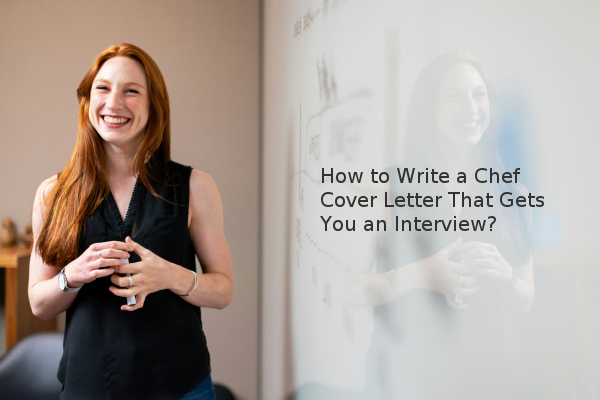
To write a chef cover letter that gets you an interview, you must go beyond listing your experience and instead craft a compelling narrative that showcases your unique culinary philosophy, key achievements, and passion for exceeding guest expectations. Based on our assessment of successful applications, a cover letter that tells a story and is tailored to the specific kitchen or establishment significantly increases callback rates.
What is the Correct Structure for a Chef Cover Letter?
A professional cover letter for a chef position should follow a clear, logical structure that makes it easy for a hiring manager or head chef to scan. It should be concise, typically no longer than one page, and include the following sections:
- Contact Information: Your name, phone number, email, and location, along with the date and the hiring manager's details.
- Salutation: Aim for a specific name (e.g., "Dear Chef Martinez"). If the name isn't listed, research the establishment online. A generic "Dear Hiring Manager" is a fallback option.
- Opening Paragraph: This is your hook. Immediately state the position you're applying for and express genuine enthusiasm. Briefly mention a key accomplishment or a specific reason you are drawn to their restaurant.
- Body Paragraphs (1-2): This is where you connect your skills to the job's needs. Use bullet points or short, powerful sentences to highlight relevant experience, such as menu development, kitchen management, or expertise in specific cuisines. Quantify your achievements where possible.
- Closing Paragraph: Reiterate your interest, propose a next step (like a tasting or call), and thank the reader.
- Signature: End with "Sincerely" or "Best regards," followed by your full name.
What Key Ingredients Should Your Cover Letter's Content Include?
Your content must demonstrate both technical skill and soft skills. Avoid simply repeating your resume. Instead, provide context and evidence for your claims.
- Culinary Philosophy and Passion: Briefly articulate what drives you as a chef. Is it a commitment to locally sourced ingredients, a passion for modernizing classic dishes, or a dedication to creating memorable dining experiences? This personal touch sets you apart.
- Quantifiable Achievements: Instead of saying "managed a kitchen," say "reduced food costs by 15% through improved inventory management and supplier negotiations" or "developed a seasonal tasting menu that increased weekday covers by 20%." This demonstrates tangible impact.
- Technical and Management Skills: Mention specific cuisines, kitchen equipment you’ve mastered, and experience with kitchen hierarchy, staff training, and inventory control. Highlight any experience with special dietary needs (e.g., gluten-free, vegan), which is highly valuable.
- Alignment with the Employer: Show you've done your homework. Mention the restaurant's Michelin star, its farm-to-table ethos, or a specific dish you admire. This proves your interest is specific and genuine.
How Can You Tailor Your Cover Letter for a Specific Job?
A generic cover letter is easily spotted and often discarded. To pass candidate screening (the initial process of filtering applications) and connect with the reader, you must tailor your letter.
- Analyze the Job Description: Identify the top three requirements. If they emphasize "leadership," detail your experience mentoring junior chefs. If they need a "creative menu developer," highlight your most innovative menu launches.
- Research the Establishment: Understand their brand, clientele, and cuisine style. Your letter's tone and content should reflect whether you're applying to a fast-paced gastropub, a fine-dining establishment, or a private household.
- Use Keywords: Many companies use Applicant Tracking Systems (ATS), software that scans applications for keywords related to the job. Incorporate relevant terms from the job description (e.g., "sous chef experience," "menu engineering," "food safety certification") naturally into your text.
Table: Chef Cover Letter Do's and Don'ts
| Do's | Don'ts |
|---|
| Tell a story that connects your journey to the job. | Just repeat your resume line by line. |
| Quantify your achievements with numbers and data. | Use generic, cliché language like "hard worker." |
| Address it to a specific person whenever possible. | Submit a one-size-fits-all letter to multiple jobs. |
| Proofread meticulously for typos and grammatical errors. | Make it longer than one page. |
| Express genuine passion for the culinary arts. | Focus solely on what you want; focus on what you can offer. |
What is the Final Step Before Sending Your Cover Letter?
Before you send your application, treat it like a dish before service: inspect it carefully. Read the letter aloud to catch awkward phrasing. Have a colleague or mentor review it for clarity and impact. Ensure the file is saved in a widely compatible format like PDF, with a professional filename (e.g., YourName_Chef_CoverLetter.pdf). Finally, double-check that you have attached the correct documents.
A powerful cover letter is your opportunity to present your professional story. By focusing on a tailored structure, evidence-based content, and meticulous proofreading, you can create an application that not only highlights your skills but also your unique value as a culinary professional. Remember to always tailor your letter to the specific job, quantify your achievements to demonstrate impact, and proofread meticulously to ensure a polished, professional presentation.


 Share
Share