Browse

Log in / Register
 Share

Before signing a lease or purchase agreement, verifying property ownership is the most critical step to avoid financial loss. Rental and real estate scams cost Americans millions annually, often by exploiting the urgency of finding affordable housing. Based on our experience assessment, confirming legitimate ownership through public records can prevent the vast majority of these fraudulent schemes. This guide outlines the red flags and provides a clear, actionable process to ensure you are dealing with the true owner.
Scammers often create a false sense of urgency or an offer that seems too good to be true. Key warning signs include a rental or purchase price significantly below market value for the area. Be highly skeptical of listings with numerous grammatical errors, excessive capitalization, or uncommon spellings (e.g., "favour" instead of "favor"). An accelerated application process that demands upfront fees for credit checks or a security deposit before you've seen the property or signed a contract is a major red flag. Never wire money or use peer-to-peer payment apps like Venmo for deposits without a signed agreement, as these transactions are like sending cash and are nearly impossible to reverse.
Another common tactic is the "out-of-town owner" who uses a supposed agent to collect funds. Similarly, excuses for why a property cannot be viewed—such as an existing tenant or ongoing renovations—are strong indicators of a scam. Legitimate owners or their licensed representatives will always provide a way for you to inspect the property.
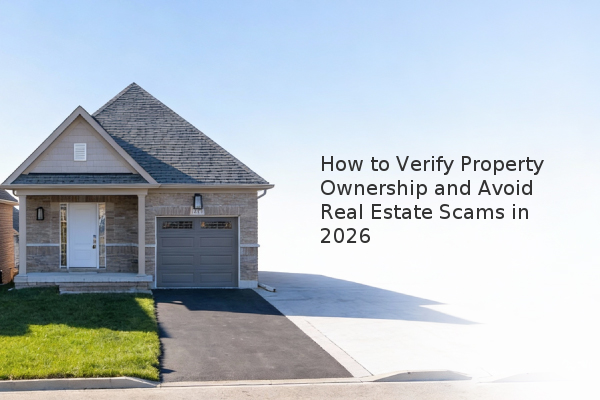
A simple but effective first step is to perform a reverse image search. In your web browser, right-click on the listing's primary photo and select "Search image with Google" or a similar option. This will show you where else that image appears online. While it's normal for a legitimate listing to be on multiple real estate platforms, significant discrepancies in price, contact information, or location details across different sites suggest the ad has been hijacked or fabricated. If the same photo appears on a website for a home that was sold years ago in a different state, you have likely uncovered a scam.
The most reliable method to verify ownership is to check public tax records maintained by the county. These records are typically free to access online. Start by searching for the county's "tax assessor" or "recorder of deeds" website (look for URLs ending in .gov or .org). Enter the property's full address, including the county name, to pull the official parcel data, which includes the owner's name. Title Insurance, a policy that protects against ownership disputes, is another layer of security in a formal transaction, but verifying public records is your first line of defense.
| Verification Method | How to Do It | What to Look For |
|---|---|---|
| County Tax Assessor Website | Search "[County Name] tax assessor property search". | Owner of record, assessed property value. |
| Reverse Image Search | Right-click listing photo, "Search image with Google". | Duplicate images with different listings. |
| Professional Assistance | Contact a local real estate agent or title company. | Confirmation for complex cases (e.g., LLC ownership). |
If the online search is challenging or reveals the property is owned by an LLC (Limited Liability Company), which can obscure the individual owner's identity, enlisting professional help is a prudent next step. A local real estate agent or a title company can obtain the most current and valid information. While a title company may charge a small fee, their verification is definitive and can save you from a devastating financial loss.
The key takeaway is to never rush a real estate transaction. Always confirm the person you are negotiating with has the legal right to sell or rent the property. If you encounter a potential scam, report it to the Federal Trade Commission (FTC) at ReportFraud.ftc.gov.