Browse

Log in / Register
 Share

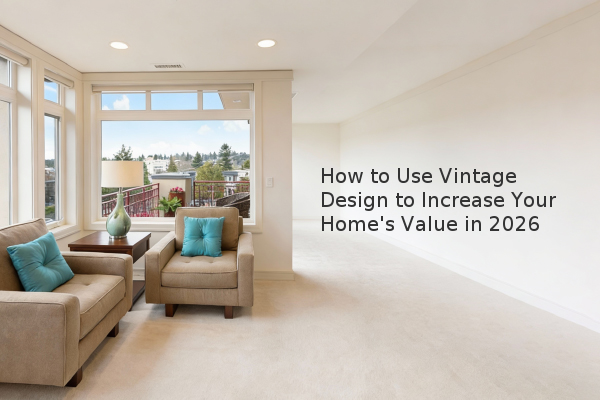
Integrating thoughtfully selected vintage design elements can be a strategic move to enhance your home's appeal and potentially increase its market value. Based on our experience assessment, homes with unique, character-driven interiors often stand out in competitive real estate markets. This approach leverages buyer nostalgia and the desire for move-in-ready homes with personality, moving beyond sterile, generic staging. While not a guarantee of a higher selling price, a cohesive vintage theme can create a memorable impression that leads to a faster sale.
The goal is not to recreate a period-accurate time capsule but to blend iconic vintage pieces with modern comforts. Focus on elements that evoke warmth and quality. Statement lighting fixtures, such as a sleek Sputnik chandelier or a stained-glass lamp, can serve as a focal point. Similarly, natural wood finishes on furniture, like mid-century modern teak or walnut, convey a sense of craftsmanship that many new builds lack. These elements work because they create an emotional connection, making a property feel like a home rather than just a structure.
The key is balance. Avoid overwhelming a space with too many period-specific items. Instead, use vintage pieces as accents against a neutral, modern backdrop. For example, a single bold, retro-style sofa or a set of colorful, Eames-inspired dining chairs can inject personality without making the room feel stuck in the past. Anchor these statement pieces with contemporary walls, flooring, and window treatments. This strategy ensures the home feels updated and livable while showcasing its unique character, which is a critical factor for a successful home appraisal.
A Return on Investment (ROI) is a performance measure used to evaluate the efficiency of an investment. In real estate, it's often calculated by dividing the net profit from a sale by the cost of the improvements. Major stylistic overhauls rarely yield a 100% ROI. However, smaller, strategic vintage updates can be highly effective. Updated, retro-style kitchen appliances in bold colors or a high-quality shag rug in a living area are relatively low-cost improvements that can significantly enhance aesthetic appeal. According to industry analysis, kitchen and living room updates consistently offer some of the best returns when selling a home. The investment should be proportional; prioritize updates that align with the home's existing architecture and the local market's tastes.
The primary risk is alienating potential buyers with a style that feels too niche or impractical. Steer clear of overly bold wallpaper patterns in large rooms and ensure that vintage furniture does not compromise functionality. For instance, a vintage sofa should still be comfortable. It is crucial to prioritize neutral layouts and emphasize the home's structural assets, like natural light and floor plan flow, using vintage decor as a complementary layer. Always declutter and ensure the space feels spacious and clean, as this allows buyers to envision their own lives in the home.
To maximize the impact of vintage design, focus on high-quality, iconic pieces that blend with modern elements. Consult with a local real estate agent to understand what styles resonate most in your specific market, as buyer preferences can vary significantly by region. A targeted, subtle approach to vintage styling can be the differentiating factor that leads to a successful sale.