Browse

Log in / Register
 Share
Share
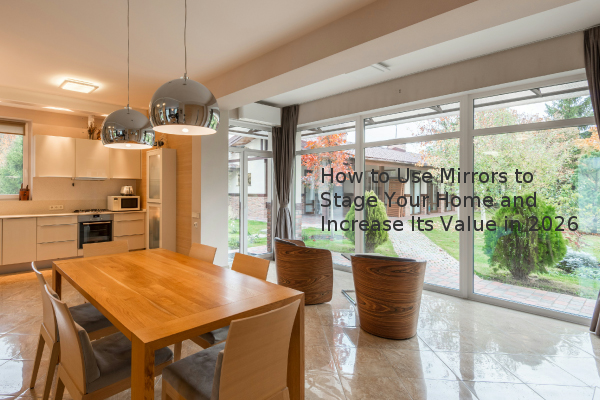
Strategically placing mirrors throughout your home is one of the most effective and affordable staging techniques to enhance perceived space, amplify natural light, and ultimately increase buyer appeal. Based on our experience assessment, a well-placed mirror can make a room feel significantly larger and brighter, which are key factors for a successful sale. This guide outlines practical, professional methods for using mirrors to maximize your home's market potential.
Mirrors create the illusion of depth and space, a critical advantage when showcasing a property to potential buyers. A reflective surface can effectively double the visual square footage of a small room, such as a dining area or entryway. Furthermore, mirrors strategically positioned to reflect natural light from a window can brighten dark corners, reducing the need for artificial lighting and creating a more inviting atmosphere. This technique is not about decoration; it's a calculated move to highlight your home's best features. The goal is to make the space feel more open and airy, which directly addresses common buyer objections about size and brightness.
The placement of a mirror is more important than the mirror itself. The primary rule is to hang a mirror to reflect something desirable, such as a window with a pleasant view, a striking architectural element, or a light source. Avoid reflecting cluttered areas or blank walls, as this can undermine the effect. For proper height, a standard guideline is to hang the center of the mirror approximately 60 inches from the floor. This aligns with the average person's eye level and ensures a natural sightline for most viewers, creating a balanced and harmonious feel in the room.
Certain areas of a home offer a higher return on investment for mirror placement.
Grouping mirrors of various shapes and sizes on a single wall can create a dramatic focal point, similar to a gallery of artwork. This approach works well on a large, empty wall in a living room or up a staircase. For a cohesive look, stick to frames within the same color family (e.g., all gilded or all natural wood). An eclectic mix of frames can also be successful if it complements the home's overall style. A mirror collection draws the eye and highlights the architecture of the wall itself, making the space feel curated and thoughtfully designed.
While powerful, mirrors can be counterproductive if used incorrectly. A key error is creating a "fun house" effect with too many mirrors facing each other, which can be disorienting. In bedrooms, be cautious about what the mirror reflects; avoid positioning it to show a cluttered corner or an unmade bed. Perhaps the most important rule is to avoid overuse. The goal is to enhance the space, not to make it feel like a hall of mirrors. One or two strategically placed mirrors per room are often sufficient to achieve the desired effect without overwhelming potential buyers.
To maximize your home's appeal, consider these actionable steps: