Browse

Log in / Register
 Share
Share
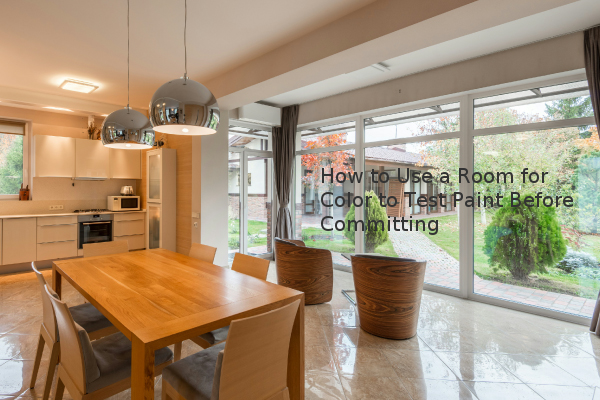
Using a dedicated room for color testing is the most effective strategy to visualize paint choices in your home's unique lighting before a full-scale painting project. This approach allows you to observe how colors shift throughout the day, preventing costly and disappointing mistakes. By creating a sample wall or using a spare room, you can make a confident final decision based on direct observation rather than a small swatch.
Choosing a paint color solely from a small chip or a digital screen is a common pitfall. Colors are profoundly affected by natural and artificial light, which can alter their appearance significantly. A north-facing room, for example, receives cool, indirect light that can make warm colors appear dull, while a south-facing room with abundant sunlight can intensify those same hues. A room for color allows you to see these interactions in real-time. Furthermore, the existing elements in your space—such as flooring, furniture, and fixed finishes—create a color context that a tiny swatch cannot replicate. Testing in the actual environment provides a true preview.
Key reasons to dedicate a space for testing include:
Proper preparation is crucial for accurate results. Start by selecting a wall that receives varied light throughout the day. If possible, choose a wall adjacent to fixed elements like cabinetry or a fireplace. Clean the wall surface thoroughly to ensure the sample paint adheres correctly. You will need to purchase sample-sized portions of your top color choices. We recommend testing at least two to three colors side-by-side to facilitate comparison. Apply the paint in large, solid blocks (at least 2x2 feet) rather than small streaks. For the most accurate reading, apply two coats of the sample paint, allowing proper drying time between coats, as this reflects the final finish.
| Preparation Step | Description |
|---|---|
| Wall Selection | Choose a wall with mixed lighting and near permanent fixtures. |
| Surface Cleaning | Ensure the wall is free of dust and grease for true color representation. |
| Sample Purchase | Buy small cans of your chosen colors; most brands offer this option. |
| Application | Paint large, two-coat squares for a true-to-life finish. |
Once your samples are applied, the evaluation process begins. Observe the colors at different times of the day: in the morning, at noon, in the late afternoon, and under artificial lighting in the evening.** Take notes on how each color changes. It's also critical to view the colors alongside your furniture, rugs, and artwork. The goal is to see how the new color harmonizes with your existing decor. Don't rush this process; live with the test patches for a few days to see how you feel about them in different moods and lighting conditions. This patient approach is the core benefit of having a dedicated room for color analysis.
The most frequent error is testing color on a wall that is already a dark or bold hue. The old color will bleed through and distort the new sample, leading to an inaccurate reading. If your wall is currently a deep color, it is essential to prime it with a white or gray primer first. Another mistake is testing in an isolated area, like a closet or a corner that never sees light. The results will not be representative of the main living area. Finally, avoid judging the color immediately after application; wait until the paint is completely dry, as wet paint appears darker and more saturated.
By dedicating a room for color testing, you leverage a practical, low-risk method to ensure your painting project enhances your home's appeal and value. This strategic step transforms a potentially stressful decision into an informed, confident choice. Always test colors in the intended space, observe them over multiple days, and consider the interaction with fixed elements to achieve the perfect result for your home.