Browse

Log in / Register
 Share
Share
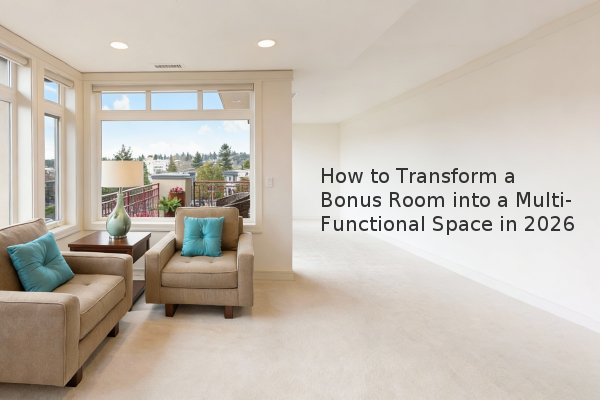
Converting an underused bonus room into a versatile, multi-functional space is a powerful way to increase your home's value and livability. Based on our experience assessment, a well-executed transformation focuses on light control, strategic color palettes, and custom storage solutions to create a room that serves multiple purposes without feeling cluttered. This approach is particularly valuable for homeowners looking to maximize their square footage for both daily use and potential resale.
What is the first step in planning a multi-functional room? The first step is to conduct a thorough needs assessment. Instead of designating a room for a single, infrequent use like hosting guests, identify all the potential activities it could support. For a room to be truly multi-functional, it must address specific, regular needs of the household. For example, a bonus room could simultaneously serve as a guest sleeping area, a home office, and a media center. Defining these requirements clearly at the outset guides every subsequent design decision, from furniture layout to lighting, ensuring the final space is both practical and cohesive.
How can you control light for a room used for sleeping and working? Effective light control is critical in a room with dual purposes like sleeping and working. For spaces that need to accommodate daytime sleep, such as for a shift worker, blackout solutions are non-negotiable. A professional method involves layering window treatments. Installing both blinds and curtains allows for flexibility; the blinds can block most light, while the curtains add an additional layer for "ultra-blackout" conditions and contribute to the room's aesthetic. When not used for sleeping, these treatments can be opened to allow natural light to create an energizing environment for work or entertainment.
What color palette works best for a multi-purpose room? Color psychology plays a significant role in a room's functionality. For a space intended for relaxation and focus, darker, moody hues can be highly effective. Deep greens, gray-blues, and charcoal grays are known for their calming properties, which are conducive to sleep. These colors also help minimize visual distractions, fostering a focused atmosphere for work or gaming. This "mood room" approach creates a bold, modern statement that feels intentional rather than simply being a light, neutral space that tries to be everything at once.
How do you integrate office or gaming setups discreetly? The key to incorporating a workstation or gaming center without letting it dominate the room's aesthetic is customized, concealable storage. A built-in cabinet with doors that open and fold back is an ideal solution. This design houses all necessary equipment, such as monitors and consoles, but allows the doors to be closed when not in use. This effectively hides the functional aspects of the space, maintaining a clean, serene environment for relaxation or sleep. This approach ensures the room doesn't feel like a commercial office or gaming center, but rather a sophisticated, multi-use retreat.
How can you camouflage unsightly functional elements like a mini-split? Functional necessities like a mini-split HVAC unit (a single-room heating and cooling system) can disrupt a room's design. Instead of leaving them as visible eyesores, custom-built covers are the recommended solution. A well-designed cover, which can be crafted from wood or other materials, surrounds the unit while allowing for proper airflow and operation. When finished to match the room's trim or cabinetry, the cover appears as a built-in design element, like a piece of furniture, effectively camouflaging the necessary machinery and contributing to a polished, intentional look.
Transforming your bonus room requires a focus on integrated solutions that prioritize both form and function. By implementing strategic light control, a purposeful color scheme, and custom concealment features, you can create a highly adaptable space that meets your family's specific needs. This not only enhances your daily living experience but also adds a unique, value-adding feature to your property. A multi-functional room is a smart investment in your home's present and future appeal.