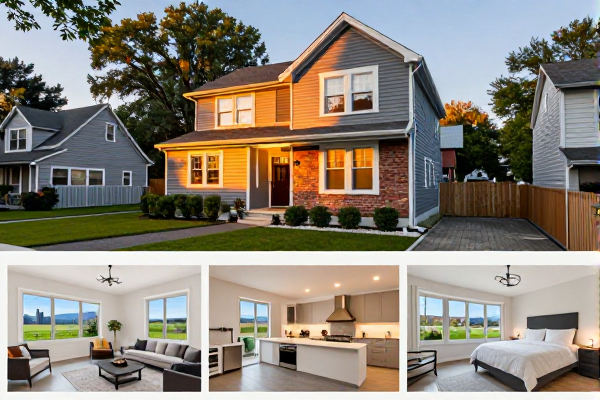
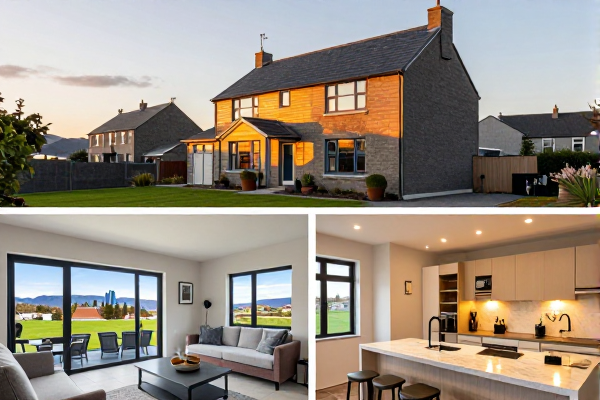
Professional real estate listing photos can significantly increase buyer interest and lead to higher offers. Based on industry assessments, properties with high-quality photography sell faster and often for closer to or above the asking price. This guide provides actionable strategies to capture images that showcase your property's best features and create an emotional connection with potential buyers.
Why is the quality of listing photos so critical?
Listing photos serve as a property's first impression in the online real estate market. High-quality, well-composed images allow potential buyers to understand the layout, features, and ambiance of a home before scheduling a visit. Effective photos highlight a property's strengths and build an emotional narrative, while poor-quality images can deter interest instantly. In essence, they are the digital equivalent of curb appeal, directly influencing a buyer's decision-making process.
What should you do before the photography session?
Preparation is the foundation of successful real estate photography. Taking these steps ensures the photographer can focus on capturing the property in its best light.
- Clean and Declutter Thoroughly: Regardless of the home's value, cleanliness is universally important. Remove personal items, clear countertops, and organize spaces. This helps potential buyers envision themselves living in the home.
- Illuminate the Space: Before the shoot, turn on all permanent light fixtures, such as chandeliers and under-cabinet kitchen lighting. Showcasing how these fixtures enhance the ambiance of each room adds warmth and appeal. Tuck away any visible electrical cords for a cleaner look.
- Schedule for Optimal Light: The timing of the shoot is crucial. Schedule sessions for the morning or late afternoon to utilize soft, even sunlight. This minimizes harsh shadows and creates a more inviting atmosphere. Consider the home's orientation to avoid direct sunlight causing unflattering shadows.
What techniques are used during the photography shoot?
The actual capture of images requires a blend of technical skill and artistic composition. These techniques are standard in the industry for creating compelling visuals.
- Focus on Framing and Perspective: Position the camera at chest height to maintain vertical lines and a balanced view. Limiting the shot to two walls in a room can make the space feel larger and easier for buyers to imagine furnishing. Capture the entire space in a single frame to provide a clear sense of the layout.
- Balance Natural and Artificial Light: Proper lighting is a technical art. Use a combination of natural light and supplemental lighting to ensure every part of the room is well-lit without being overexposed. Techniques like HDR (High Dynamic Range) photography, which blends multiple exposures, can achieve a flawless balance between bright windows and interior details.
- Utilize Wide-Angle Lenses: A wide-angle lens is essential for real estate photography as it captures more of the room in a single shot, making spaces appear more expansive and open.
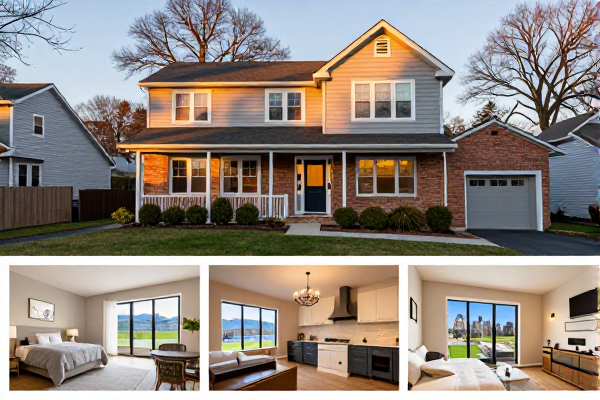
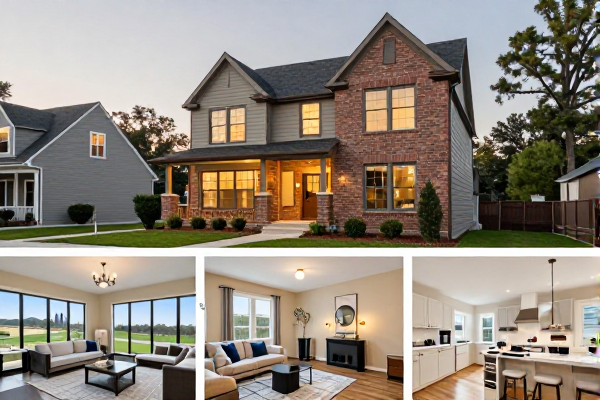
- Consider Advanced Shots: Drone photography provides elevated views of the property and its surroundings, highlighting lot size and neighborhood context. Twilight shots of the exterior, taken at dusk, can create a powerful emotional response with a warm, welcoming glow.
How does post-production enhance the final images?
The work done after the shoot, known as post-production or editing, is where the images are polished to perfection.
- Professional Editing is Key: The editing phase allows for refinements that were not possible during the shoot. This includes color correction, sharpening details, and using techniques like exposure bracketing to merge images for ideal lighting. Subtle enhancements, such as ensuring vertical lines are straight, contribute to a professional finish.
- Tell a Cohesive Story: The sequence and selection of photos should narrate a compelling story of the property. The goal is to guide the viewer on a logical flow through the home, building interest from the entrance to the key living areas and outdoor spaces.
What is the final step for maximizing impact?
- Hire a Qualified Photographer: The most important tip is to invest in a skilled professional. An experienced real estate photographer understands how to combine all these elements—preparation, technique, and post-production—to create a portfolio of images that markets the property effectively and attracts serious buyers.
To maximize your home's selling potential, prioritize professional-grade photography. The investment in high-quality visuals is proven to attract more buyers and can directly influence the final sale price.


 Share