Browse

Log in / Register
 Share

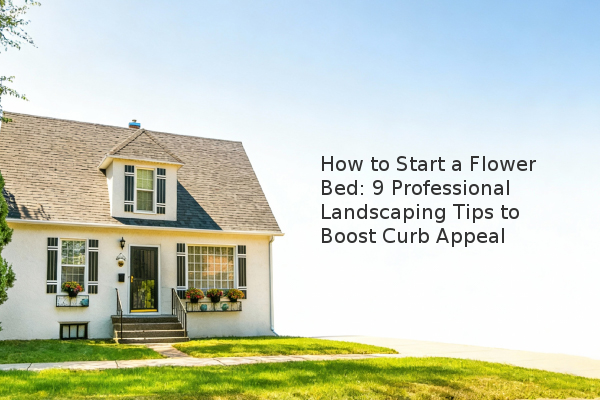
Starting a flower bed correctly is one of the most effective ways to enhance your property's curb appeal and long-term value. Based on our experience assessment, a well-executed landscaping project can significantly improve a home's exterior. This guide provides nine professional tips, from initial bed preparation to mindful mulching, to help you create a beautiful, low-maintenance garden that complements your real estate.
There are two types of flower beds: those that are well-prepared and those that become overrun with weeds. Before planting, conduct a thorough site assessment. Evaluate sunlight exposure and drainage; areas where water collects can lead to root rot. Remove all weeds, roots, and rocks to give your plants a clean slate. Addressing these foundational issues before planting is far easier than correcting them later, saving you time and resources.
Starting a flower bed from seed is a cost-effective strategy that allows for a wider selection of unusual plant types. Check seed packets for specific instructions, as some varieties transplant poorly and must be sown directly into the ground. For others, start seeds in trays or pots using a seedling-specific soil mixture. Place them in a sunny location and transplant them once they have developed sturdy stems, ensuring a stronger start for your garden.
Nursery-grown bedding plants offer instant visual impact, but their survival depends on careful handling. Transport them closely together in your vehicle to prevent damage and take them home immediately to avoid heat stress. Water them upon arrival and maintain consistent moisture. A crucial step is to water them a few hours before transplanting; this helps their fragile root systems withstand the shock of being moved.
A clearly defined edge is essential for a polished look. Avoid inexpensive plastic edging that deteriorates quickly. A simple, cost-effective method is to create a shallow trench around the bed with a spade. For a more permanent solution, install an edge of brick, stone, or concrete set in leveling sand. While the initial investment is higher, these materials are durable, reduce long-term maintenance, and make mowing easier.
Your plant selection should align with your goals. Annuals provide vibrant color but need replacing every season, while perennials return year after year. For year-round structure, incorporate evergreen shrubs or ornamental grasses. Always consider a plant's mature height. Place low-growing flowers, typically annuals, at the front of the bed for easy viewing and replacement. Taller plants should be positioned toward the back to create a layered, cohesive design.
For robust root development, dig a hole that is twice as wide as the plant's original pot. For perennials, scoring a small trench around the inside of the hole encourages roots to spread outward and downward. This step is less critical for annuals due to their shorter lifespan but is highly beneficial in dense clay soils where root penetration is difficult.
Practical advice for homeowners includes: