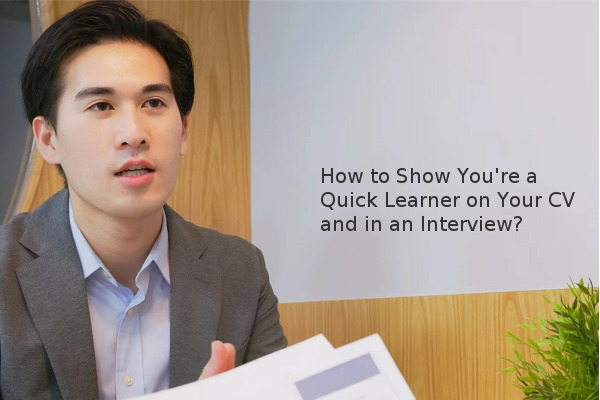
Effectively showcasing your ability to learn quickly on your CV and during interviews can significantly increase your chances of landing a job. This skill, often termed adaptive learning, is highly valued by employers as it demonstrates your potential to grow and adapt to new challenges. This article provides a actionable guide on how to frame this skill throughout the recruitment process, from your application to the final interview.
What Does It Mean to Be a Quick Learner?
A quick learner is an individual who can rapidly understand, process, and apply new information or skills. This goes beyond simple comprehension; it involves integrating new knowledge to solve problems or improve processes efficiently. Based on our assessment experience, fast learners typically exhibit strong analytical and listening skills, allowing them to deconstruct complex tasks and absorb critical details.
How Can You Emphasise Being a Fast Learner on Your CV?
Your CV is the first opportunity to make an impression. Here’s how to strategically highlight your learning agility:
- Create a Dedicated Skills Section: This is the most direct method. List "quick learner" or "ability to grasp new concepts rapidly" as a bullet point. Ensure the surrounding skills are relevant to the job description to create a cohesive profile. For a project management role, pairing it with "Agile Methodology" and "Stakeholder Communication" is effective.
- Leverage Your Education Section: Go beyond listing degrees. Mention relevant certifications, online courses, or workshops you've completed. This demonstrates continuous learning and a proactive approach to skill development, which implies a fast-learning capability.
- Showcase Progression in Your Work Experience: This is where you can provide concrete evidence. Instead of just stating responsibilities, highlight achievements that required rapid learning. For example: "Promoted to Team Lead within six months after mastering new software and improving department efficiency by 15%." This narrative shows the tangible results of your learning ability.
What Are the Best Ways to Discuss Being a Quick Learner in an Interview?
Verbal articulation is crucial. Prepare to discuss this skill using the STAR method (Situation, Task, Action, Result) to structure your answers.
- Use Synonyms: Broaden your vocabulary. Instead of repeating "quick learner," use terms like adept, capable, or versatile.
- Prepare a Specific Example: Be ready to answer behavioral questions like, "Tell me about a time you had to learn something new quickly." Describe a situation where you successfully adapted, the action you took (e.g., independent research, seeking mentorship), and the positive result for the company.
- Ask Insightful Questions: Your questions can also demonstrate learning agility. Inquiring about "ongoing training opportunities" or "how the team stays updated on industry trends" shows you are already thinking about how to learn and contribute.
How Does Being a Fast Learner Help Your Career?
Possessing this skill offers several long-term career advantages:
- Increased Employability: You become a attractive candidate for roles requiring adaptation to new technologies or processes.
- Accelerated Career Advancement: Employees who master new responsibilities quickly are often first in line for promotions and leadership opportunities.
- Effective Remote Work: The ability to learn with minimal supervision is a key asset for remote or hybrid positions, making you a trustworthy and independent employee.
What Practical Steps Can You Take to Improve Your Learning Ability?
Becoming a faster learner is a skill in itself. Here are actionable tips:
- Improve Your Research Skills: Efficiently finding and vetting information is fundamental. Practice narrowing broad topics into specific, actionable insights.
- Minimize Distractions: Create a focused learning environment. Dedicate time for deep work without interruptions from phones or emails to enhance information retention.
- Take Notes by Hand: Studies suggest that handwriting notes improves memory and comprehension compared to typing, helping you retain information more effectively.
To maximize your job search success, strategically embed evidence of your quick learning ability across your CV, cover letter, and interview responses. Focus on providing specific examples of past adaptability and emphasize your commitment to continuous professional development.


 Share
Share