Browse

Log in / Register
 Share
Share
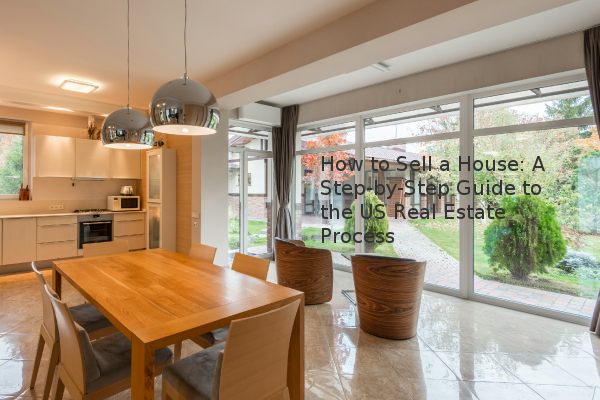
Selling a house involves a structured process of preparation, pricing, marketing, negotiation, and closing. By understanding each phase, homeowners can navigate the transaction effectively to maximize their return and minimize stress. The key to a successful sale lies in accurate pricing, strategic marketing, and meticulous preparation for the closing process.
The preparation phase, often called "staging" (the process of preparing a private residence for sale in the real estate marketplace), is critical for attracting buyers. This goes beyond simple cleaning; it involves making your property as appealing as possible to the broadest audience. Start with essential repairs, such as fixing leaky faucets, patching holes in walls, and ensuring all light fixtures work. Consider a fresh coat of paint in neutral colors to help potential buyers envision themselves in the space. Decluttering and depersonalizing your home by removing family photos and excess furniture can make rooms appear larger and more inviting. Based on our experience assessment, these steps can significantly impact a buyer's first impression and the final offer price.
Determining the correct listing price requires a Comparative Market Analysis (CMA), which is a report on comparable homes recently sold, currently on the market, or that failed to sell in your area. A CMA, typically prepared by a real estate professional, helps establish a competitive and realistic price. Setting the price too high can deter buyers and cause the property to stagnate, while pricing too low may result in leaving money on the table. The goal is to attract serious buyers and encourage competitive offers. The analysis should factor in your home's unique features, current market conditions, and the prices of similar "comps" (comparable properties).
| Factor | Impact on Pricing |
|---|---|
| Local Market Conditions (Seller's vs. Buyer's Market) | High |
| Property Condition & Upgrades | High |
| Recent Sales of Comparable Homes | Critical |
| Seasonality & Time of Year | Moderate |
Once the house is prepared and priced, the next step is marketing it to potential buyers. This involves professional photography, listing on major real estate platforms, and hosting open houses. When an offer is received, you will enter negotiations, which may involve the sale price, closing costs (expenses over and above the price of the property that buyers and sellers incur to complete a real estate transaction), and the proposed closing date. After accepting an offer, the buyer will typically conduct inspections and secure financing. The final step is the closing, also known as settlement, where ownership is legally transferred. At closing, you will sign the final documents, pay any outstanding fees or property taxes (a tax levied on real estate by the local government), and receive the proceeds from the sale.
To ensure a smooth sale, focus on these actionable steps: conduct a thorough CMA for accurate pricing, invest in professional staging and photography, and understand all the costs involved in the closing process. Proper preparation and a clear understanding of each stage are the most reliable predictors of a successful and profitable home sale.