Browse

Log in / Register
 Share
Share
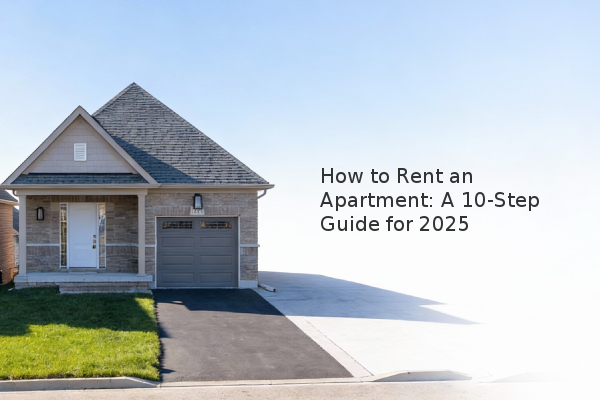
Renting an apartment involves a clear, step-by-step process, from setting a budget to moving in. With over half of all renters living in apartment buildings, being prepared is key to a smooth experience. This guide outlines the 10 essential steps, including budgeting for a security deposit (a median of $750) and understanding that the typical U.S. apartment rent is approximately $2,000, plus around $150 for utilities. Following this structured approach can help you secure an apartment efficiently and avoid common pitfalls.
The most critical first step is determining a realistic budget. Most financial advisors recommend that your combined rent and utility costs should not exceed 30% of your gross monthly income. Based on our experience assessment, with the typical apartment costing about $2,000 and utilities around $150, your target monthly budget should be approximately $2,150. You must also account for upfront costs, which a 2024 survey found include a security deposit (median $750) and an application fee (typically $50). Using an online Rent Affordability Calculator can help you define your price range based on your specific income.
Once your budget is set, identify your essential criteria to narrow the search effectively. Key considerations include:
Using online search filters for these criteria can save significant time and help you focus on listings that genuinely fit your lifestyle.
Preparation is crucial for a competitive rental market. Before you start touring, gather the necessary documents to submit an application promptly. You will typically need:
If your credit score is a concern, you have options. You can seek a co-signer, look for private landlords who may offer more flexibility, or be prepared to offer additional months of rent upfront if local laws permit. Strong references from previous landlords can also help build a landlord's confidence.
This phase is where your preparation pays off.
After signing the lease, you will pay any required upfront costs, such as the first month's rent and security deposit. Before moving your belongings in, conduct a walkthrough and document any existing damage with photos or video. This documentation is critical; 76% of renters who took photos at move-in were more likely to receive a deposit refund compared to 70% who did not. Finally, transfer utilities into your name, purchase renter's insurance, and update your address.
To ensure a successful rental experience, focus on these key actions: set a strict budget based on the 30% rule, prepare your financial documents in advance, thoroughly inspect the unit and document its condition before moving in, and read every clause of the lease agreement carefully. Being organized and proactive at each stage will lead to a more confident and secure renting process.