Browse

Log in / Register
 Share

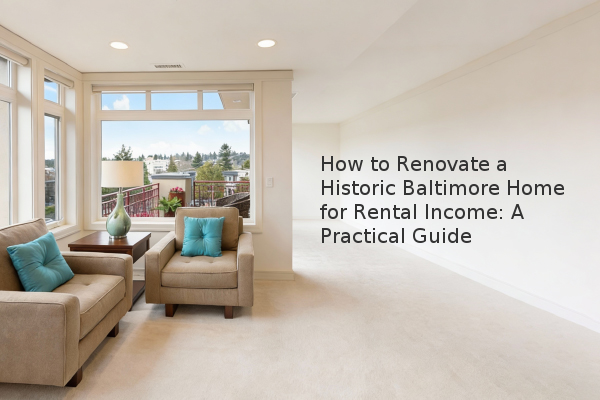
Renovating a historic home in Baltimore for rental income is a achievable investment strategy, but it requires meticulous planning, a realistic budget, and a deep respect for preservation guidelines. Success hinges on accurately assessing renovation costs, navigating Baltimore City's historic district regulations, and understanding the local rental market. This guide outlines the key steps and considerations for transforming a historic property into a profitable rental, based on an assessment of common renovation pathways.
The initial purchase price of a historic home is often just a fraction of the total investment. The most critical step is conducting thorough inspections to identify structural issues, outdated electrical systems, plumbing problems, and environmental hazards like lead paint or asbestos. Underestimating these costs is the primary reason renovation projects fail.
Creating a detailed budget is essential. A common rule of thumb is to add a 15-20% contingency fund on top of all estimated costs for unforeseen issues common in older homes. Your financial plan should account for:
A simple spreadsheet can help organize these projections:
| Expense Category | Estimated Cost | Contingency (20%) | Total Budgeted |
|---|---|---|---|
| Purchase Price | $200,000 | - | $200,000 |
| Structural Repairs | $50,000 | $10,000 | $60,000 |
| Interior Finishing | $30,000 | $6,000 | $36,000 |
| Permits & Fees | $5,000 | $1,000 | $6,000 |
| Total | $285,000 | $17,000 | $302,000 |
Baltimore is renowned for its historic neighborhoods, many of which are protected by the Baltimore City Commission for Historical and Architectural Preservation (CHAP). Purchasing a property in a CHAP-designated historic district means your renovation plans will require approval. This process is designed to preserve the architectural integrity of the community.
Key regulations often involve:
It is crucial to engage with CHAP early in the planning process. Understanding these constraints before purchasing a property can prevent costly redesigns and delays later.
While preserving historic charm, modern tenants expect updated amenities. The goal is to blend old-world character with contemporary comfort. Focus on improvements that offer the best return on investment for the rental market.
Prioritize essential systems: Upgrading electrical, plumbing, and HVAC systems is non-negotiable for safety and functionality. These improvements, while often unseen, are critical. Update the kitchen and bathrooms: These rooms significantly influence a tenant's decision. You don't need luxury finishes, but clean, modern, and efficient fixtures are key. Preserve original features: Highlighting original hardwood floors, exposed brick, or classic moldings can make your rental stand out from newer constructions. This unique character is a major selling point. Ensure energy efficiency: Old homes are often drafty. Adding insulation, sealing windows, and installing energy-efficient appliances can reduce utility costs for you and your future tenants, making the property more attractive.
Turning a renovated historic home into a lucrative rental requires effective property management. You must decide whether to manage the property yourself or hire a professional management company. Self-management saves on fees but requires significant time and expertise in tenant screening, maintenance, and legal compliance.
Understand landlord-tenant laws: Maryland and Baltimore City have specific regulations regarding security deposits, lease agreements, and tenant rights. Plan for ongoing maintenance: Historic homes require consistent upkeep. Setting aside a portion of the rental income for future repairs is a prudent financial practice. Conduct thorough market analysis: Research comparable rentals in the neighborhood to set a competitive yet profitable monthly rent. The location and unique features of your renovated historic home will be your greatest assets.
Transforming a historic Baltimore home into a rental property is a substantial undertaking that blends preservation with modernization. A successful project is built on a foundation of realistic financial planning, a clear understanding of local regulations, and strategic renovations that appeal to modern tenants. While the path requires dedication, the result can be a rewarding investment that contributes to the city's architectural heritage.