Browse

Log in / Register
 Share
Share
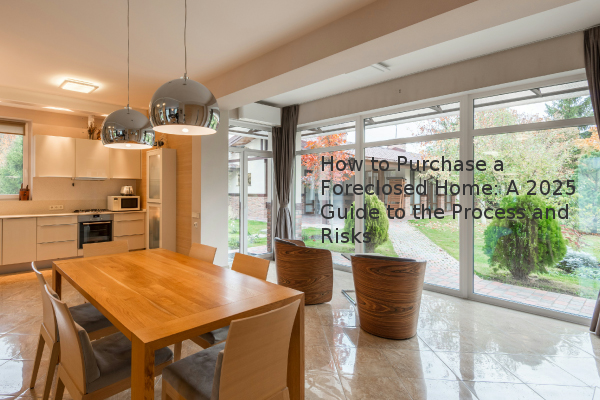
Purchasing a foreclosed home can be a path to acquiring a property below market value, but it requires navigating a unique process fraught with potential pitfalls. The core conclusion is that while opportunities exist, buying a foreclosure is inherently riskier than a standard real estate transaction and is best suited for investors or very handy homebuyers who can handle significant repairs. Success hinges on thorough due diligence, understanding the different acquisition stages, and securing specialized financing.
A foreclosure is a legal process initiated by a lender when a homeowner defaults on their mortgage loan. The lender, or lien holder, seeks to reclaim the property to recoup the outstanding debt. The property then moves through various stages before being sold. It's critical to understand that properties sold "as-is" are the norm, meaning the seller (often a bank) will not make any repairs.
Foreclosed homes often come with substantial drawbacks. The previous owners, facing financial distress, may have deferred maintenance or even intentionally damaged the property. You must budget for major repairs to systems like plumbing, electrical, and the roof. Furthermore, the title may have other liens, such as unpaid property taxes or contractor bills, that you could become responsible for. Title insurance is a non-negotiable safeguard in these transactions; it protects the policyholder from financial losses related to defects in the property title.
| Consideration | Standard Home Purchase | Foreclosure Purchase |
|---|---|---|
| Property Condition | Typically maintained; seller may make repairs. | Sold "as-is"; often needs significant repairs. |
| Price | At or near market value. | Potentially below market value. |
| Negotiation | With motivated homeowners. | With a bank's asset management department. |
| Closing Timeline | Relatively predictable (30-45 days). | Often lengthy and unpredictable. |
The method for buying a foreclosed home depends on the stage of the process.
Pre-Foreclosure: This occurs after the homeowner defaults but before the auction. You can approach the owner directly to negotiate a sale. This is often done through a short sale, where the lender agrees to accept a sale price less than the amount owed on the mortgage. Short sales are complex and require lender approval, leading to a long waiting period.
Auction: If the loan isn't reinstated, the property is sold at a public auction, typically on the courthouse steps. This method usually requires cash payment in full immediately after the auction. There is no opportunity for a home inspection, making it the riskiest way to buy.
Real Estate Owned (REO): If the property doesn't sell at auction, the lender takes ownership, and it becomes an REO property. These "bank-owned" homes are listed on the multiple listing service (MLS) and can be purchased through a real estate agent. This is the safest way to buy a foreclosure, as the bank will typically clear other liens and the buyer can conduct inspections and secure traditional financing.
While auctions are typically cash-only, REO properties can often be purchased with a mortgage. However, standard loans like FHA loans have property condition requirements that a dilapidated foreclosure might not meet. A 203(k) rehabilitation loan is a government-insured option that combines the purchase price and renovation costs into a single mortgage, making it a potential solution for financing a foreclosure that needs work.
To successfully purchase a foreclosed home, follow these key steps: get pre-approved for financing, work with a real estate agent experienced in foreclosures, conduct exhaustive inspections, and secure a robust title insurance policy. Based on our experience assessment, the potential savings can be substantial, but they are directly proportional to the level of risk you are prepared to assume.