Browse

Log in / Register
 Share

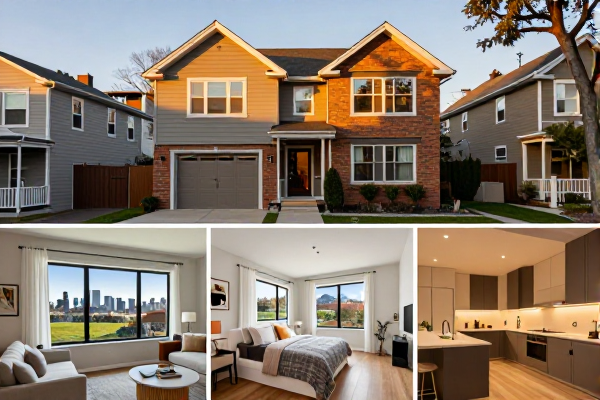
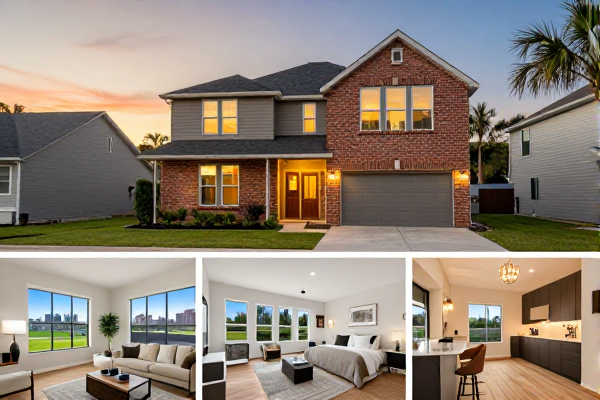
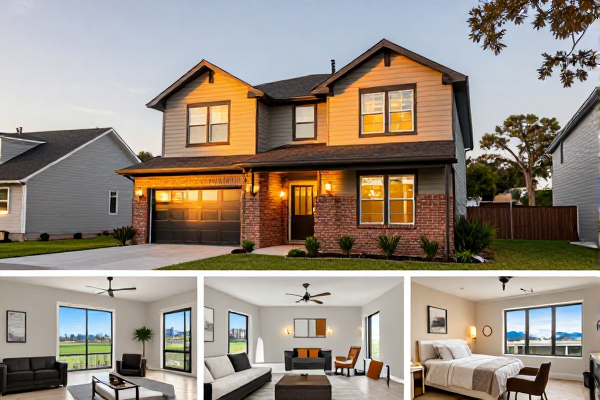
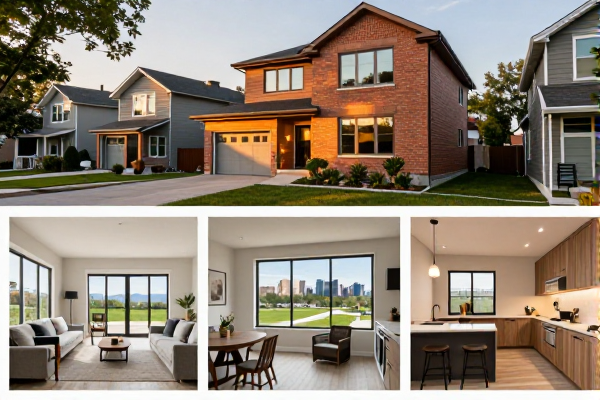
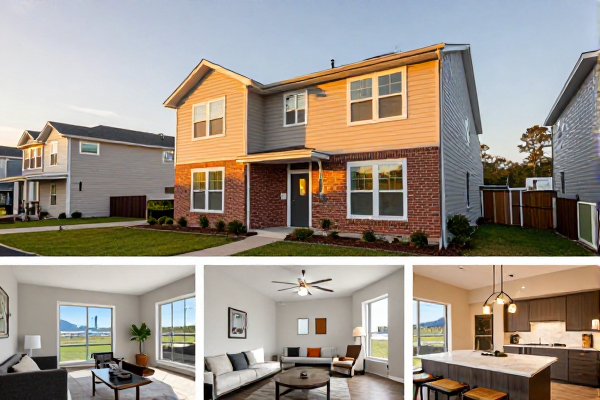
Attending an open house is a critical step in the home buying process, serving as more than just a casual viewing. In 2026's competitive real estate market, a successful open house strategy involves meticulous preparation, keen observation during the visit, and a clear post-visit action plan to formulate a compelling offer. For buyers, the goal is to gather intelligence beyond the listing photos, while sellers and their agents use these events to gauge market interest. The core objective is to transform a brief visit into a strategic advantage, whether you are buying or selling.
What Buyers Should Do Before the Open House Thorough preparation separates serious buyers from casual lookers. Start by reviewing the online listing and any available virtual tour to familiarize yourself with the property's layout. Then, conduct independent research on the neighborhood, focusing on recent sales prices of comparable homes, known as a Comparative Market Analysis (CMA). A CMA is an evaluation of home values based on recently sold properties with similar features in the same area. Drive by the property beforehand to assess the street, parking availability, and overall curb appeal. Prepare a list of specific questions for the hosting agent, such as inquiries about the age of the roof, HVAC system, and the seller's motivation. Having your financing pre-approved is no longer just an advantage—it's a necessity to be taken seriously in a competitive offer situation.
A Strategic Walkthrough: What to Look For During the Open House Once inside, look beyond the staging and fresh paint. Focus on structural and mechanical elements. Check for signs of water damage on ceilings and under sinks, test water pressure in showers and faucets, and note the condition of windows and flooring. Don't hesitate to open closets and cabinets to assess storage space. Engage the seller's agent thoughtfully; their answers can reveal valuable information. For example, asking "What have past buyers loved most about this home?" can yield different insights than a direct "What's wrong with the house?" Politely observe the level of foot traffic, as high interest can signal a potential bidding war. The following table outlines key areas to inspect:
| Area to Inspect | What to Look For |
|---|---|
| Exterior & Structure | Cracks in foundation, siding condition, roof shingle wear |
| Interior Systems | Function of lights/switches, HVAC noise, water heater age |
| Kitchen & Bathrooms | Appliance functionality, grout/caulking condition, ventilation |
| Signs of Issues | Musty odors (potential mold), uneven floors, recent paint patches |
The Seller and Agent Perspective: Maximizing Open House Impact For sellers, an open house is a marketing event. The primary goal is to create a welcoming environment that allows potential buyers to envision themselves living there. This involves significant depersonalization—removing family photos, unique collections, and excessive clutter. Sellers should also complete minor repairs and consider professional staging to highlight the home's best features. The seller's agent uses the open house to directly interact with the market, collecting feedback and identifying genuinely interested buyers. The feedback on price and condition gathered during these events is invaluable for adjusting the marketing strategy if the home doesn't receive immediate offers.
After the Open House: Next Steps for Buyers and Sellers For buyers who are serious about a property, the work begins immediately after leaving. Discuss your impressions with your buyer's agent, a real estate professional who represents the purchaser's interests exclusively. If you're preparing an offer, your agent will leverage the observations from the open house to strengthen your position. For instance, noting that the home will need a new $8,000 HVAC system soon can be a point of negotiation. Sellers should debrief with their agent to review attendee feedback. If interest was low, they may need to reconsider the listing price or address concerns that were frequently raised.
Ultimately, an open house is a key data point in a larger transaction. By preparing thoroughly, observing critically, and acting decisively, both buyers and sellers can use this traditional real estate tool to achieve their goals in the 2026 market. Key takeaways for buyers include securing pre-approval, inspecting beyond the surface, and moving quickly with an informed offer. For sellers, success hinges on presentation, pricing correctly from the start, and using agent feedback strategically.