Browse

Log in / Register
 Share

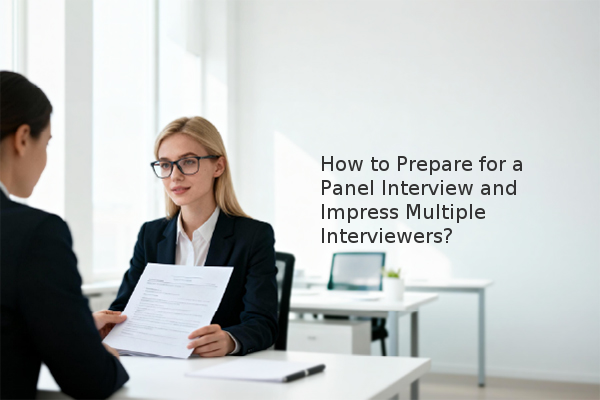
Panel interviews save employers time and lead to more unified hiring decisions, but they can be daunting for candidates. By understanding the format and preparing strategically, you can turn this challenge into an opportunity to showcase your skills to all key decision-makers at once. Success hinges on thorough research, equal engagement with each panelist, and clear communication.
A panel interview (also known as a board interview) involves meeting with several employees from a company simultaneously. This format is common in academia, government, and for senior-level roles, but it's increasingly used for various positions. Companies favor it because it allows multiple stakeholders—such as the hiring manager, a human resources representative, and potential colleagues—to evaluate a candidate based on the same interaction. This leads to a more efficient process and a consensus-driven hiring decision. As Pamela Skillings, a career coach, notes, it prevents the need for multiple rounds of one-on-one meetings. Furthermore, if a company values teamwork, the panel interview itself can reflect its collaborative culture, giving you a glimpse into the work environment.
Your first strategic step is to identify who will be in the room. When scheduling the interview, ask the recruiter for the names and job titles of the panelists. Use the company’s website, particularly the "About Us" or "Team" pages, and professional social media profiles like LinkedIn to research their backgrounds. This reconnaissance provides valuable clues. For instance, understanding each person's role helps you anticipate their questions. The HR representative will likely assess cultural fit, while the hiring manager will focus on technical skills and business acumen. A department head might be interested in your collaborative abilities. Finding a common interest or a recent professional achievement of a panelist can also create a natural talking point and build rapport.
A common mistake is directing answers only to the person who asked the question or the most vocal panelist. Career experts warn that this can alienate others, especially the quiet ones who may be observing carefully and have significant influence. Your goal is to engage the entire group. When answering a question, start by making eye contact with the questioner, then sweep your gaze across the other panelists as you speak to include them. Prepare specific questions for each interviewer in advance. If one person has been silent, you can politely draw them in by saying, "I'm interested in hearing from the [Department Name] perspective on this as well." This demonstrates emotional intelligence and shows you value everyone's input.
Be mindful of jargon. Your panel may include individuals from different departments who are not experts in your specific field. Avoid using niche terminology without explanation. For example, a software engineer should explain technical acronyms, and a nurse should clarify medical terms for non-clinical staff. The key is to tailor your communication to the audience. Keep answers concise and relevant to the question, ensuring they are accessible to all listeners. This showcases your ability to communicate complex ideas clearly—a valuable skill in any collaborative workplace.
Sending personalized thank-you notes to each panelist is a powerful way to reinforce your interest and stand out. Generic, copied-and-pasted messages are ineffective. Immediately after the interview, while details are fresh, write a brief note to each person. Mention something specific you discussed with them, such as, "I enjoyed learning about your approach to project management." This personal touch demonstrates attentiveness and reinforces the connection you made. Aim to send these notes via email on the same day to ensure they are reviewed before the hiring committee makes its final decision. Based on our assessment experience, candidates who prepare thoroughly, engage the entire panel equally, and follow up personally significantly increase their chances of success in a panel interview.