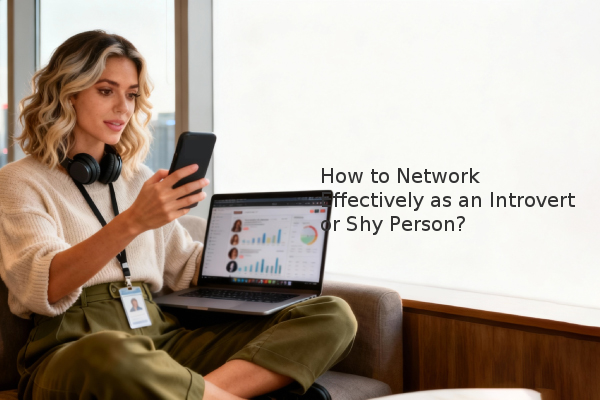
Networking successfully is less about being the most outgoing person in the room and more about leveraging strategic, authentic approaches that align with your personality. Focusing on quality over quantity, preparing in advance, and leveraging active listening can lead to more meaningful professional connections for introverts and shy individuals.
What is the Difference Between Shyness and Introversion?
Understanding these terms is key to applying the right strategies. While often used interchangeably, they describe distinct experiences:
- Shyness is characterized by a feeling of apprehension or anxiety in social situations, especially with new people. A shy person may desire connection but feel nervous about initiating it.
- Introversion is a personality trait related to energy management. Introverts tend to recharge through solitude and can find highly stimulating environments, like loud networking events, mentally draining. It's important to note that an introvert is not necessarily shy and can be highly engaging in comfortable settings.
The strategies outlined below are designed to work for both shyness and introversion, helping you build a professional network in a way that feels genuine and sustainable.
How Can You Prepare for a Networking Event in Advance?
Preparation is a powerful tool for reducing anxiety and building confidence before you even arrive.
- Research the Event and Attendees: Knowing who might be there and what current topics are relevant to your industry allows you to prepare thoughtful questions. This transforms the challenge from "what do I say?" to simply referencing your pre-planned topics.
- Set Realistic Goals: Instead of aiming to meet everyone, set a goal of having two to three substantial conversations. This "quality over quantity" approach aligns perfectly with a more reserved style and makes the event feel less daunting.
- Plan Your Arrival: Arriving early can be beneficial. The room is less crowded, making it easier to find a small group or even a single person to approach. Alternatively, attending with a colleague can help with initial introductions.
What Are Effective Strategies During the Event Itself?
Shifting your mindset from performance to curiosity can dramatically change your networking experience.
- Focus on Active Listening: Your natural inclination to listen can be your greatest asset. People appreciate feeling heard. Ask open-ended questions and give the other person space to talk. You will be remembered as a fantastic conversationalist, even if you speak less.
- Use Approachable Body Language: You don't need a constant smile. Simply positioning yourself with uncrossed arms, facing the room, and making brief eye contact signals that you are open to conversation. This makes it easier for others to approach you.
- Join Conversations Strategically: Look for smaller groups of two or three people. Wait for a pause and join by introducing yourself or asking a relevant question. Avoid large, closed-off circles where breaking in can be difficult.
- Lead with Authenticity: Authenticity is magnetic. Don't try to force an extroverted persona. Being your genuine, thoughtful self encourages people to build a real connection with you.
How Do You Solidify Connections After the Event?
The true value of networking is realized in the follow-up, an area where thoughtful individuals excel.
- Send a Personalized Follow-Up: Within 24-48 hours, send a short email or message via a professional network like LinkedIn. Reference something specific from your conversation, such as, "I enjoyed discussing the latest trends in digital marketing with you." This demonstrates you were truly engaged.
- Fulfill Any Promises: If you offered to share an article or make an introduction, do so promptly. This builds trust and shows reliability.
- Connect on Professional Platforms: A connection request with a personalized note helps maintain the relationship long-term.
In summary, effective networking for introverts and shy professionals hinges on a few key principles: thorough preparation reduces anxiety, active listening builds rapport, and a focus on authentic, quality interactions leads to a stronger professional network. The goal is not to change your personality but to use your inherent strengths—like thoughtfulness and observation—to your advantage.


 Share