If you want your home to stand out in your neighborhood, the solution lies in strategic, personalized upgrades rather than expensive, large-scale renovations. Based on our experience assessment, focusing on high-impact, low-cost changes to your exterior, entryway, and interior color palette can significantly enhance your home's character and value without requiring a full remodel. The key is to identify pain points and introduce intentional design choices that reflect your personality.
What Are the Easiest Ways to Boost Curb Appeal?
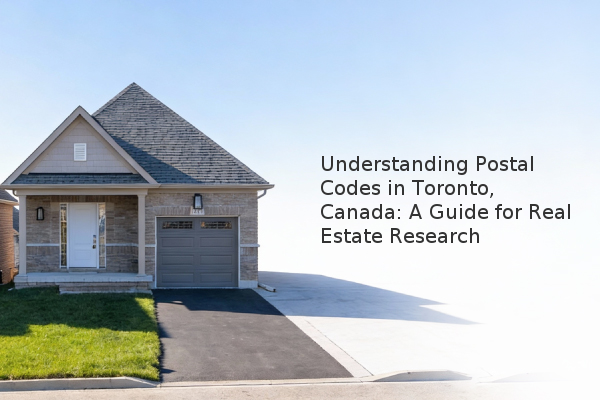
Curb appeal is your home's first impression, and simple updates can make a substantial difference. Instead of a multi-colored garden, consider a more focused approach to landscaping.
- Intentional Landscaping: Opt for a "pared-down, very intentional" design by selecting one accent color for your flowers, such as orange or yellow, rather than every color under the sun. This creates a cohesive and sophisticated look.
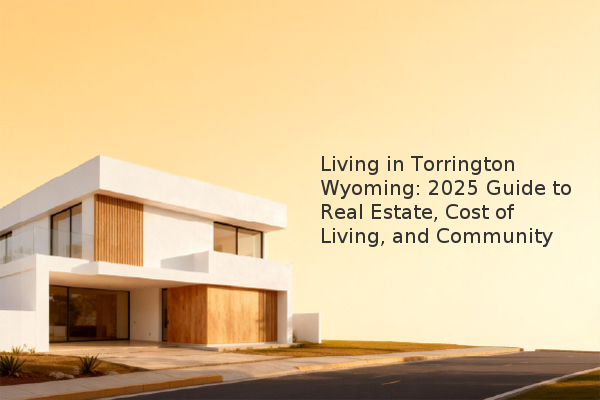
- Exterior Texture: Adding texture to your home's exterior is a powerful tool. One effective method is using board and batten, a siding style that involves flat, vertical boards with narrow strips covering the seams. This finish pairs well with stucco or shingles and adds architectural interest to otherwise plain walls.
How Can You Personalize Your Interior Without Major Renovations?
Personalizing your space is about incorporating elements that make you happy and improve daily functionality. You don't need to undertake grand projects to achieve this.
- Display Family Photos: Forget generic art; displaying family photos throughout your home is one of the fastest ways to inject personality into a standard layout. There are numerous creative ways to display them, making the space feel uniquely yours.
- Strategic Use of Color: If bold colors are intimidating, consider pale hues. Using a white with a subtle tint, like a very pale blue or green, can add depth and character without being overwhelming. Even a classic color like gray can be bold when chosen with a hint of hue, such as gray-blue or gray-green.
What Should You Consider Before a Design Project?
Before embarking on any design changes, it's crucial to consider your long-term plans, as this will influence the scope and neutrality of your projects.
- Short-Term Ownership (1-5 years): If you plan to sell soon, bigger design projects should be more neutral. Choose neutral finishes for permanent fixtures like kitchen cabinets, and then customize with easily changeable elements like cabinet hardware, paint colors, and accessories.
- Long-Term Ownership (5+ years): If you plan to stay in your home for the long haul, feel free to take more risks. "Do what you like and what makes you feel happy," is the guiding principle. This is the time to implement those unique design ideas you've been dreaming about.
| Renovation Type | Estimated Cost Range (2026) | Impact on Personalization | Resale Value Consideration |
|---|
| Board & Batten Siding | $5,000 - $15,000 | High | High |
| Intentional Landscaping | $1,500 - $5,000 | High | High |
| Interior Paint (Pale Hues) | $500 - $3,000 | Medium-High | Neutral-Positive |
| Entryway Organization System | $200 - $800 | Medium (Functional) | Neutral |
How Do You Design a Functional Entryway?
The entryway, or foyer, is a critical space that sets the tone for your home. A well-designed entryway can eliminate daily stress.
- Identify Pain Points: Ask yourself what you carry when you walk in. Do you have dogs that need leashes hung or kids with backpacks?
- Install Practical Solutions: Placing dedicated hooks and hangers for these items creates a designated spot to unload, making your home feel more organized and personalized. Solving this daily friction point makes a house feel more like your own.
To make your house stand out in 2026, focus on intentional choices: simplify your landscaping with a single flower color, add texture with board and batten siding, personalize with family photos, and use pale colors for a subtle impact. Most importantly, let your long-term plans guide the scale of your projects, and never underestimate the value of solving a simple functional problem like entryway organization.


 Share