Browse

Log in / Register
 Share
Share
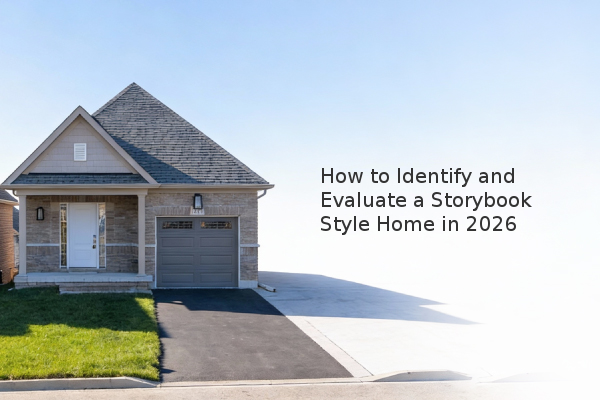
For homebuyers seeking unique character and historic charm, storybook-style homes offer a distinctive alternative to modern construction. These properties, often characterized by their whimsical, cottage-like appearance rooted in Tudor Revival and other early 20th-century architectures, require a specific evaluation approach. Based on our experience assessment, the key to a successful purchase lies in understanding the defining architectural features, budgeting for potential maintenance, and verifying the quality of updates to older systems.
Storybook homes are not a single architectural style but a romanticized interpretation of medieval English cottages and Tudor Revival designs. Popularized in the 1920s and 1930s, they are designed to evoke a sense of fairy-tale charm. Key exterior features often include steeply pitched roofs, stucco or brick exteriors with decorative half-timbering, and arched doorways. Inside, you might find original details like wood-beamed ceilings, arched built-in bookcases, and cozy, wood-burning fireplaces. When evaluating a storybook home, it's crucial to distinguish between original character-defining elements and newer renovations to assess its authenticity and value accurately.
Purchasing a home with historic charm comes with unique considerations beyond a standard real estate transaction. A specialized home inspection is non-negotiable. Focus on the condition of the roof, which can be complex and expensive to repair due to its steep pitch, and the integrity of the stucco exterior. Older electrical systems and plumbing should be thoroughly evaluated for safety and modern compliance. Furthermore, inquire about property tax implications, as some municipalities may have different assessments for historic properties. It's also wise to research if the home is in a designated historic district, which can come with restrictions on exterior modifications.
The initial purchase price is only part of the financial picture. Storybook homes, often nearly a century old, require a proactive maintenance budget. We recommend setting aside 1% to 3% of the home's purchase price annually for ongoing upkeep. This fund is critical for addressing issues common in older homes, such as repointing mortar in brickwork, maintaining original hardwood floors, and ensuring the fireplace and chimney are in safe working order. When reviewing listing prices, factor in the potential for immediate and long-term costs that preserve the home's character while ensuring it meets modern living standards.
| Potential Cost Factor | Estimated Cost Range (2026) | Description |
|---|---|---|
| Roof Repair/Replacement | $15,000 - $40,000+ | Complex due to steep slopes and custom materials. |
| Stucco Repair | $1,000 - $10,000 | Depends on the extent of cracking and water damage. |
| Window Restoration | $500 - $2,000 per window | Repairing original multipane windows vs. replacement. |
| Electrical System Update | $8,000 - $15,000 | Rewiring to modern capacity and safety codes. |
Despite the maintenance considerations, these homes offer significant rewards. They are often situated in established, tree-lined neighborhoods with a strong sense of community. The quality of original craftsmanship, such as custom built-ins and solid wood doors, is frequently superior to what is found in new construction. For those who value uniqueness, a storybook home provides a personal sanctuary full of character that cannot be replicated. Features like a guesthouse or a sunroom can add functional space for a home office or rental income, enhancing the property's long-term value and utility.
Ultimately, buying a storybook home is a passion-driven decision. By focusing on a thorough inspection, realistic budgeting for maintenance, and a clear understanding of the architectural style, you can make an informed choice. Prioritize a specialized home inspection, create a robust maintenance fund, and verify the quality of any modern updates to ensure your fairy-tale home has a happy ending for years to come.