Browse

Log in / Register
 Share

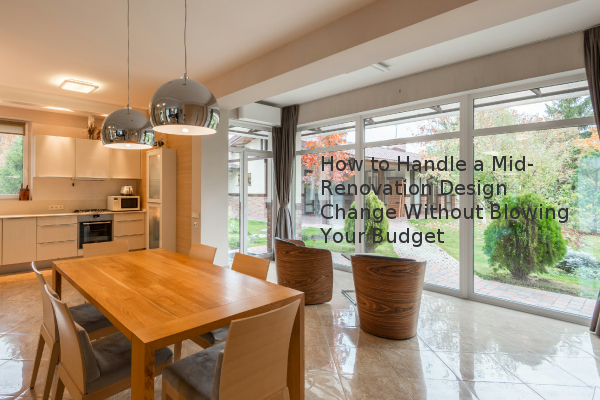
Changing your design plans mid-renovation is a common challenge that can derail your budget and timeline. However, with strategic adjustments, it is possible to successfully pivot without incurring excessive costs. Based on our experience assessment, key strategies include repurposing existing materials, embracing architectural history, and using simple cosmetic updates to unify a new vision, ultimately protecting your financial investment.
What is the most cost-effective way to update an appliance that no longer fits the design?
When a major appliance, like an oven, no longer aligns with your new design direction, replacing it can be a significant and unexpected expense. A viable alternative is to use a vinyl wrap specifically designed for appliances. This approach provides a new color or finish at a fraction of the cost of a full replacement. It is essential to ensure the surface is clean and the application is smooth for a professional, long-lasting result. This method allows you to maintain a high-quality appliance while seamlessly integrating it into your updated aesthetic, preserving a substantial portion of your renovation budget.
How can you address mismatched flooring without a full replacement?
Discovering different types of flooring during a renovation, especially after removing walls, is a frequent occurrence. Instead of the costly process of tearing out and replacing all the flooring to achieve uniformity, consider a more integrated approach. Patching the transition areas with a complementary tile or wood can acknowledge the home's history while creating a deliberate design feature. This technique, which highlights the architectural evolution of the property, is often more affordable and adds unique character. It turns a potential problem into a narrative element about the building's past.
What should you do if opening a ceiling doesn't create the desired sense of space?
Exposing ceiling joists is a popular technique to add volume and character to a room. However, if the joists are low or overly numerous, the space can still feel cramped. In such cases, a solution that maintains structural integrity is crucial. A qualified contractor can often raise the joists closer to the roof's peak. This engineering adjustment enhances the visual height of the room without compromising the building's safety. It is a more involved modification but can fundamentally transform the feel of a space, making it a worthwhile consideration when the initial result is unsatisfactory.
How can you visually unify a room with conflicting design elements?
A room filled with a variety of textures, colors, and patterns from an abandoned design plan can feel chaotic. A powerful and economical method to create cohesion is through a unified color palette. Painting walls, trim, and even certain fixtures a neutral color, such as white, can simplify the visual landscape and allow architectural details to stand out. This approach tones down competing elements and provides a clean canvas, making the space feel larger and more intentional. It is one of the most effective ways to regain control over a disjointed design.
Can a dated bathroom be modernized without a full gut renovation?
A complete bathroom remodel is a major investment. For bathrooms with solid foundational elements, like intact tile, a cosmetic refresh can achieve a modern look. Swapping out outdated fixtures for contemporary models, such as a new faucet and vanity, provides an immediate update. Furthermore, using high-quality stencils and durable paint can introduce modern patterns onto walls, creating a fresh accent that complements existing features. This strategy acknowledges the bathroom's existing charm while making it feel current, significantly improving its appeal without the expense and disruption of a full tear-out.
Successfully navigating a mid-renovation change requires flexibility and a focus on budget-conscious solutions. The core lesson is to assess what can be salvaged and creatively repurposed. Repurposing materials and appliances saves money, while cosmetic updates like paint and stencils can dramatically shift a room's style. Most importantly, consulting with a professional for structural changes ensures safety and protects your property's value. By adopting these strategies, you can steer your project back on track toward a successful outcome.