Browse

Log in / Register
 Share
Share
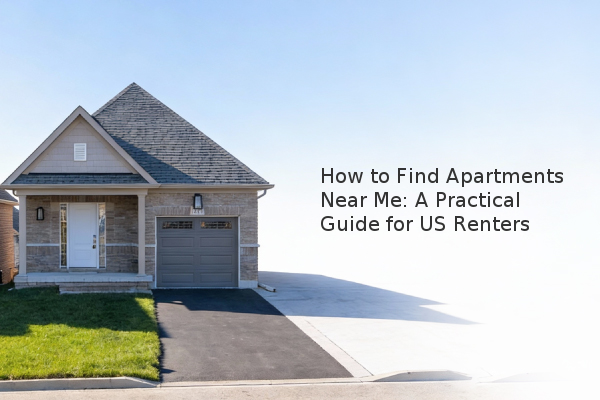
Finding apartments near your location efficiently requires a combination of online tools, clear budget planning, and thorough property inspections. By focusing on location-based searches, understanding rental costs, and recognizing red flags, you can secure a suitable rental property. This guide provides a step-by-step approach to navigate the US rental market, emphasizing practical steps to avoid common pitfalls.
What Are the Initial Steps to Locate Apartments Near Me?
Begin by defining your search criteria, such as preferred neighborhoods, budget range, and essential amenities. Utilize online rental platforms that allow location-based filtering; these tools aggregate listings from various sources, enabling you to view available apartments within a specific radius. For instance, set a maximum rent limit, such as $1,500 per month, to narrow down options. It's crucial to act quickly, as competitive markets may have high demand. Always verify listing authenticity by cross-referencing details and contacting property managers directly.
How Can You Set a Realistic Rental Budget?
Establishing a budget involves more than just monthly rent; consider additional costs like utilities, parking fees, and security deposits. A common guideline is to allocate no more than 30% of your gross income to rent. For example, if your income is $60,000 annually, aim for rent under $1,500 per month. Create a spreadsheet to track expenses:
| Expense Type | Estimated Cost |
|---|---|
| Monthly Rent | $1,200 - $1,800 |
| Utilities | $100 - $200 |
| Security Deposit | Often one month's rent |
| This helps prevent financial strain and ensures you account for hidden fees. |
What Should You Look for During Property Visits?
Inspecting apartments in person is essential to assess condition and safety. Check for signs of maintenance issues, such as water damage or faulty wiring. Test appliances, water pressure, and cell phone reception. Inquire about property management policies—this term refers to the company or individual responsible for upkeep and tenant relations. Ask about emergency procedures and maintenance response times. Additionally, evaluate the neighborhood during different times of day to gauge noise levels and accessibility to public transport.
How to Avoid Common Rental Scams?
Rental scams often involve fake listings or requests for upfront payments without property access. Red flags include deals that seem too good to be true, pressure to sign quickly, or refusal to conduct in-person tours. Always verify the landlord's identity through public records or references. Title insurance—a policy that protects against ownership disputes—is typically for buyers, but renters should ensure the property is legally available. Report suspicious activity to local authorities and use trusted payment methods.
What Key Elements Should a Lease Agreement Include?
A lease agreement outlines tenant and landlord responsibilities. Key components include rent amount, due dates, lease duration, and rules on pets or subletting. Understand terms like security deposit—a refundable amount held for damages—which is regulated by state laws, often requiring return within 30 days of move-out. Review clauses on repairs and termination penalties. Seek legal advice if clauses are unclear, and keep a signed copy for records.
Conclusion: Key Takeaways for a Successful Apartment Search
Start with a clear search strategy using location-based tools. Budget comprehensively to avoid unexpected costs. Inspect properties thoroughly to ensure quality. Verify listings to avoid scams and review lease agreements carefully. By following these steps, you can make an informed decision based on your needs.