Browse

Log in / Register
 Share

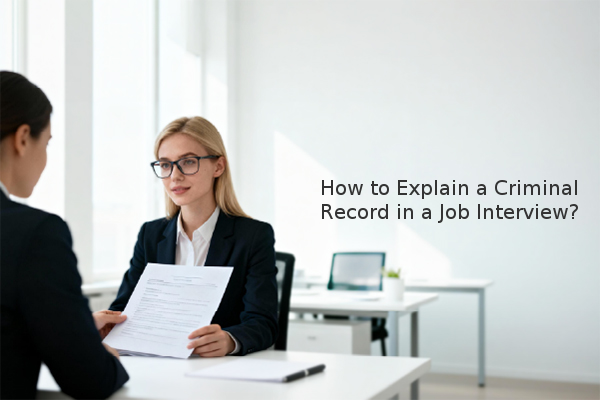
If you have a criminal record, you can still get a job. A Society for Human Resource Management (SHRM) survey reveals that most employers don't consider a criminal past an automatic deal-breaker, with many having experience hiring individuals with records. The key is to prepare a confident, concise explanation that focuses on your rehabilitation and the value you bring.
What is a Rap Sheet and Why Should You Review It?
Before an interview, it's crucial to know exactly what an employer might see. A rap sheet—an official Record of Arrests and Prosecutions—details your criminal history. However, employers conducting standard background checks do not have access to your full rap sheet. Cynthia Brackett, a senior director of vocational services, advises job seekers to obtain and review their own rap sheet. This allows you to verify its accuracy and know what you need to disclose. "Checking your rap sheet will let you know if any of your convictions have been sealed," says Brackett. You are not obligated to disclose sealed or expunged records. Furthermore, only answer the questions asked; if an employer inquires only about felonies from the last five years, there is no need to volunteer information about older misdemeanors.
How Should You Talk About Your Record During an Interview?
Hoping the topic doesn't come up is a risky strategy. With 73% of HR professionals conducting criminal background checks, transparency is essential. Dawn Standerwick of the National Association of Professional Background Screeners warns, “Don’t try to hide anything.” Your goal is to provide context before the hiring manager’s imagination creates a negative narrative. This is not the time for lengthy excuses or re-litigating your case. Instead, craft a brief, rehearsed narrative that emphasizes accountability, learning, and change. Structure your explanation to last two minutes or less:
Be prepared to clarify the specifics of your charge if asked, as legal terminology can be misunderstood. The objective is to demonstrate you have moved forward and are now a reliable, focused professional.
What is the Best Way to Present Your Skills Despite a Record?
A powerful tool to shift focus from your past to your potential is a professionally crafted resume. A clear, skill-focused resume can level the playing field by immediately highlighting your qualifications. Based on our assessment experience, candidates who present a strong application often receive more serious consideration. If you need assistance, consider a free resume evaluation from a service like ok.com's Resume Writing Service to get expert feedback on how to best showcase your abilities.
To successfully navigate job interviews with a criminal record, remember these key steps: review your rap sheet, prepare a concise and positive explanation, and ensure your resume highlights your current skills. Your past does not have to define your future. By preparing thoroughly and presenting yourself with honesty and confidence, you can demonstrate to employers that you are the right person for the job.
Legal disclaimer: None of the information provided herein constitutes legal advice on behalf of OK.com.