Browse

Log in / Register
 Share
Share
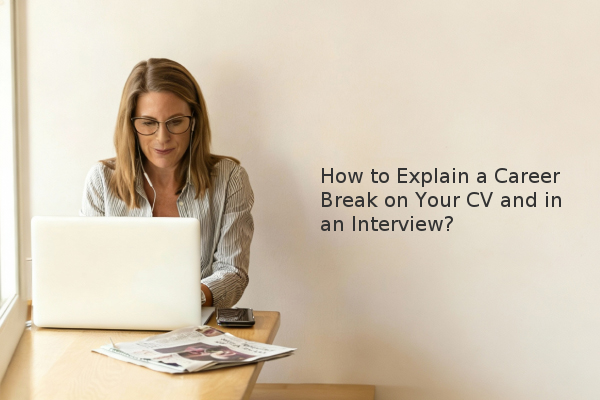
Knowing how to confidently explain a career break is crucial for demonstrating to employers that you are a focused and strategic candidate. The key is to frame the gap as a period of purposeful development, not an absence from your career. By preparing an honest and positive explanation, you can turn a potential weakness into a strength during your job search.
A career break is a purposeful leave of absence from employment, which recruiters will note when reviewing the work experience section of your CV. People take breaks for various reasons, from personal development to family care. The critical factor for employers is not the gap itself but the story behind it and your readiness to return to work with renewed focus and skills.
When an interviewer asks about an employment gap, their primary goal is to assess your commitment and future plans. Here's a strategic approach to handle this question effectively.
1. Lead with Honesty and Positivity? Always be truthful about your career break. Recruiters ask these questions to gauge your readiness and long-term goals. For instance, if you took time off to travel, explain what you learned and how it prepared you for a return to a structured work environment. Honesty builds trust and allows you to align your career objectives with the potential employer's needs.
2. How Can You Highlight Productive Activities? Focus on what you accomplished during your break. Did you engage in self-learning, freelance projects, or volunteer work? Explain how these activities contributed to your professional growth. For example, you might say, "During my break, I dedicated time to completing an online certification in project management, which directly applies to the responsibilities of this role." This shifts the conversation from a gap to a period of gain.
3. What Skills Did You Develop or Strengthen? After briefly stating the reason for your break, pivot to the skills you honed. Emphasize abilities relevant to the job, such as time management from caring for a family member, adaptability from traveling, or technical skills from independent study. This demonstrates proactive preparation and shows you understand the employer's requirements.
4. When Should You Set Professional Boundaries? If an interviewer's questions become too personal, it is reasonable to redirect the conversation politely. You can say, "I took the break for personal family reasons, and I'd prefer to focus on the professional skills I maintained during that time, such as staying current with industry trends through webinars." This maintains your privacy while keeping the discussion professional and forward-looking.
Understanding that career breaks are common can help you discuss yours with confidence. Here are some valid reasons:
| Reason | How to Frame It Positively |
|---|---|
| Pursuing Further Education | Demonstrates commitment to upskilling and long-term career growth. |
| Family Care (e.g., children, elderly) | Highlights skills in organization, patience, and time management. |
| Personal Health & Well-being | Shows self-awareness and a proactive approach to preventing burnout. |
| Travel or Sabbatical | Develops cultural awareness, adaptability, and new perspectives. |
| Starting a Business | Showcases entrepreneurship, initiative, and a diverse skill set. |
Returning to work requires a strategic approach to present yourself effectively.
To successfully navigate a career break, the most important steps are to prepare a concise, positive narrative about your time away and to confidently redirect the conversation toward the valuable skills and fresh perspective you now bring to the table.