Browse

Log in / Register
 Share
Share

Understanding your home's current market value is the first critical step whether you're considering selling, refinancing your mortgage, or simply tracking your investment. The most accurate way to determine your home's value is through a professional Comparative Market Analysis (CMA) or a formal appraisal, but homeowners can get a reliable estimate by analyzing recent sales of comparable properties, known as "comps," in their neighborhood. Key factors influencing value include location, square footage, condition, and current market trends. This guide will walk you through the steps to assess your property's worth accurately.
What is a Comparative Market Analysis (CMA)? A Comparative Market Analysis (CMA) is a report prepared by a real estate agent that estimates a home's value by comparing it to similar properties recently sold, currently on the market, or that failed to sell in the same area. Unlike an automated valuation model, a CMA considers unique features and recent upgrades. To get a CMA, you can typically contact a local agent who will provide this service, often at no initial cost, as a way to potentially earn your business if you decide to list your home.
Key Factors That Directly Impact Your Home's Value Several elements play a decisive role in valuation. The most significant is always location, which encompasses school district quality, proximity to amenities, and overall neighborhood desirability. The home's physical attributes, such as square footage, number of bedrooms and bathrooms, and lot size, are fundamental. The property's condition is equally critical; a well-maintained home with updated major systems (like HVAC and roof) will command a higher price than a similar home requiring significant repairs. Consider the following common value drivers:
| Factor | High-Value Impact | Low-Value Impact |
|---|---|---|
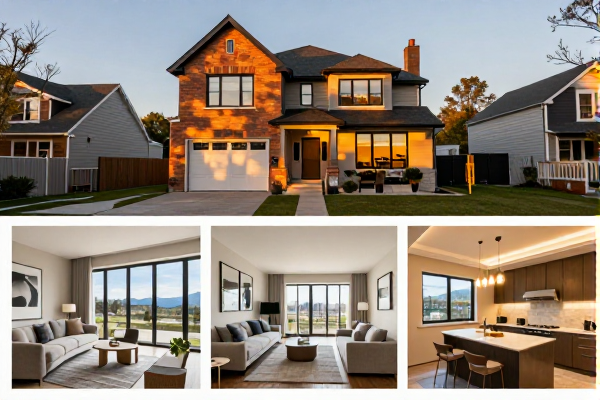
| Kitchen & Bathrooms | Recently renovated with modern finishes | Outdated, in need of remodeling |
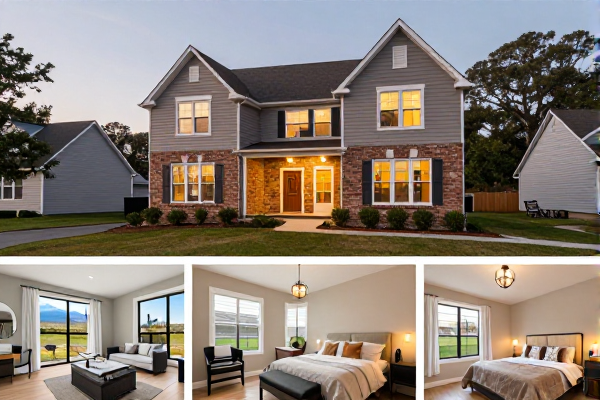
| Curb Appeal | Landscaped yard, fresh exterior paint | Overgrown lawn, peeling paint |
| Square Footage | Above average for the neighborhood | Significantly below average |
| Market Conditions | Low inventory, high buyer demand (Seller's Market) | High inventory, low demand (Buyer's Market) |
How to Estimate Your Home's Value on Your Own Begin by researching comps—homes similar to yours in size, age, and location that have sold in the last three to six months. Online real estate portals can provide sale price data. Be objective in your comparison: adjust your estimate up or down if your home has a feature the comp lacks (like a finished basement) or is missing a feature the comp has (like a garage). Remember, online valuation tools are a useful starting point but often rely on broad data algorithms and may not account for your home's unique condition or specific nuances.
When to Seek a Professional Appraisal For the most definitive valuation, especially for legal matters like divorce or estate settlement, or for securing a mortgage refinance, a professional appraisal is essential. A licensed appraiser conducts a thorough in-person inspection and provides a formal report that lenders and courts recognize. This service typically costs between $300 and $500, depending on the home's size and location. The appraiser's assessment is unbiased and provides a solid foundation for pricing your home if you decide to sell.
Conclusion: Preparing for an Accurate Valuation To maximize your home's appraised or sale value, focus on improvements that offer the best return. Based on our experience assessment, minor kitchen updates, enhancing curb appeal, and ensuring all systems are in good working order are typically the most effective steps. Before any valuation, compile a list of all major upgrades you've made, including the date and cost. This information helps professionals accurately assess your property's worth. Understanding the key value drivers, researching comparable sales, and knowing when to hire a professional are the most reliable methods for determining your home's true market value.