Browse

Log in / Register
 Share
Share
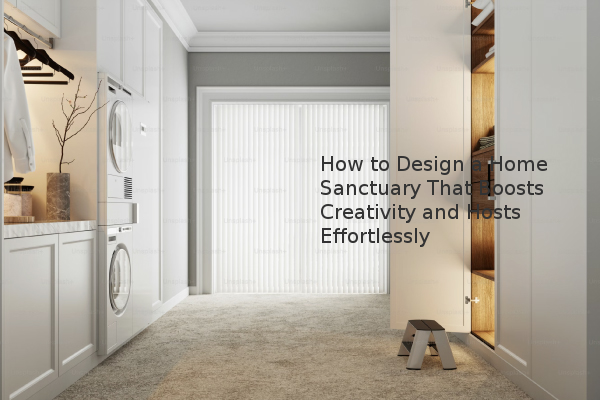
Creating a home that serves as both a personal retreat and a functional space for work and entertaining is a key goal for many homeowners. Based on our experience assessment, a successful design hinges on intentional lighting, a cohesive yet eclectic style, and a dedicated multi-functional room. This approach, as demonstrated by a fashion designer's Los Angeles home, can transform a property into a sanctuary that supports creativity and fosters connection.
How Can You Overcome a Home's Initial Challenges Like Poor Lighting? The most significant transformation in any home often starts with addressing fundamental flaws. When a property feels too dark, a strategic approach to lighting is essential. This goes beyond simply installing brighter bulbs; it involves layering different light sources to create depth and ambiance. Begin with overhead lighting for general illumination, then incorporate task lighting for specific areas like reading nooks or workspaces, and finally, add accent lighting, such as candles or wall sconces, to highlight architectural features or create a warm glow. In a 1939-built home, this process was critical to changing the entire feel of the space, proving that initial drawbacks can be solved with a focused plan.
What Defines a Multi-Functional Room That Serves as a True Sanctuary? A dedicated space that combines multiple functions can become the heart of a home. Often called a "great room" or, in this case, a "castle room," this area should be designed for both lively gatherings and quiet reflection. The key is to anchor the room with a large, substantial table that encourages long dinners and collaborative work. Comfortable seating is a non-negotiable element for ensuring guests feel welcome to stay. To make the space truly personal, incorporate sentimental items and rich textures. A wood-beamed ceiling, an ornate fireplace, and a library nook with a velvet sofa can create a sense of old-world grandeur, while personal artifacts like framed photographs or heirlooms add soul and a unique narrative to the design.
How Do You Achieve a Cohesive Design with Eclectic Elements? A common design challenge is blending different styles and moods without creating a disjointed feel. The solution is to establish a cohesive thread through color, texture, or material that runs through each room. For instance, you might use a consistent paint color on trim work or repeat a specific wood tone throughout the house. This allows individual rooms to have their own personality—some moody with deep colors, others bright and airy—while still feeling connected. Textured 3D wallpaper can be used to solve architectural quirks, like balancing an asymmetrical living room, by tricking the eye and adding a layer of warmth. The goal is to create a flow that feels intentional, much like a well-designed garment where different patterns and solids work in harmony.
What Practical Steps Can You Take to Personalize Your Space? Personalization is what transforms a house into a home. This process is deeply intuitive and should be driven by your own experiences and emotions. Draw inspiration from travel, art, and colors that evoke specific feelings. Trust your instincts during the design process rather than relying solely on external opinions. Being hands-on allows every choice to be rooted in your personal vision. Integrate items with history, such as a family chandelier or a beloved piece of furniture, to connect the present to the past. These elements, combined with items that reflect your hobbies and passions, ensure the space is not only beautiful but also authentically yours.
To create a home that truly fits your lifestyle, focus on solving core functional issues first, like lighting. Then, dedicate effort to designing a central, multi-purpose room that can evolve with your needs. Finally, personalize the space with items that have deep meaning to you, ensuring it remains a dynamic and inspiring environment for years to come.