A well-designed kitchen is one of the most valuable assets in any home, directly impacting your daily life and the property's market appeal. The ideal home kitchen balances efficient organization, a practical layout, and high-quality essentials to create a space that is both enjoyable to cook in and attractive to future buyers. Based on our experience assessment, focusing on smart storage solutions, workflow optimization, and timeless design choices can significantly enhance functionality without requiring a full, high-end renovation. This approach maximizes your return on investment (ROI) whether you are cooking for your family or preparing to sell your home.
What Are the Core Principles of Kitchen Organization?
Effective storage is the foundation of a stress-free cooking environment and a key consideration for home buyers. A well-organized kitchen minimizes clutter and streamlines meal preparation.
- Strategic Zones: Designate specific areas for prep, cooking, and cleanup to create a logical workflow. For example, store cutting boards and knives near the prep area, and keep pots and pans within easy reach of the stove.
- Vertical and Cabinet Space: Utilize often-wasted space. Installing shelves on the back of a pantry door for spices or adding pull-out shelves to deep cabinets can double your accessible storage. As one expert notes, converting an understairs closet into a pantry with shelving is a highly effective use of space.
- Multi-Purpose Tools: Prioritize versatile appliances and utensils over single-function gadgets to reduce clutter. A stand mixer with attachments or an air fryer that also bakes and broils saves valuable counter and cabinet space.
- Labeled Containers: Using uniform, labeled containers for dry goods not only looks professional but also makes ingredients easy to find, speeding up the cooking process.
Investing in organizational features like drawer dividers and pull-out pantry shelves is a modest upgrade that prospective buyers often notice, adding to the home's perceived value.
How Can You Optimize Your Kitchen Layout and Workflow?
The physical layout of your kitchen, often called the "work triangle," significantly impacts efficiency. This concept positions the sink, refrigerator, and stove in a triangular formation to minimize unnecessary movement.
- The Work Triangle: A classic layout places the sink, stove, and refrigerator in a triangular pattern. This time-tested design keeps essential stations within easy reach, making cooking more efficient.
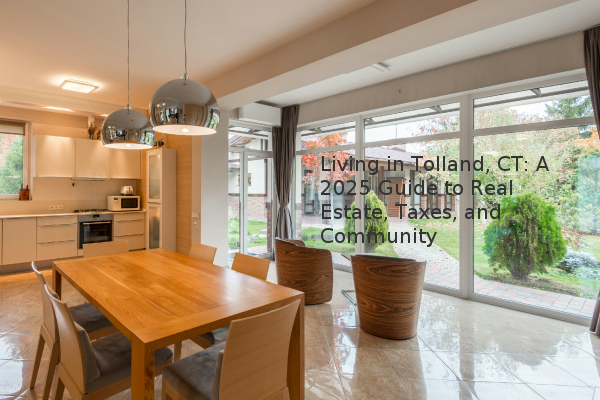
- Countertop Space: Ample, uninterrupted counter space is crucial, especially near appliances. An island can provide additional prep area and seating, but even a small, moveable cart can add valuable surface space in a compact kitchen.
- Open Concept Design: An open layout that flows into living areas is highly desirable. It creates a more social environment, allowing the cook to interact with family or guests, which is a major selling point in today's real estate market.
- Lighting and Surfaces: Ensure the kitchen has plenty of lighting for tasks like chopping and reading recipes. Easy-to-clean surfaces, such as quartz countertops, are practical for daily use and maintain a fresh appearance for years.
Optimizing the workflow is not just about convenience; it's a feature that can make your home more appealing compared to others with less intuitive layouts.
What Are the Essential Tools and Features for a Functional Kitchen?
Equipping your kitchen properly does not require every gadget on the market. Focus on a few high-quality, versatile items that you will use regularly.
- Critical Tools: A sharp chef's knife, a few durable cutting boards, a cast-iron skillet, and a set of quality pots and pans form the foundation. Storing knives in a block, not a drawer, is safer and preserves their sharpness.
- Appliance Selection: Choose appliances based on your actual cooking habits. A gas stove often provides better heat control, which is preferred by many cooking enthusiasts. For smaller kitchens, a counter-depth refrigerator may offer a sleeker look, but be aware it typically has less interior space than a standard-depth model.
- Thoughtful Upgrades: Features like a pot-filler faucet above the stove or a built-in, cabinet-front garbage drawer can elevate the kitchen's functionality and aesthetic. However, prioritize timeless choices over fleeting trends to protect your home's long-term value. A butler's pantry is a premium feature that adds significant storage and utility.
Why Should a Kitchen Design Consider Accessibility and Family?
A great kitchen serves the entire household. Incorporating elements of universal design makes the space safer and more comfortable for everyone, from children to older adults, which is a smart long-term investment.
- Seating and Social Space: Including counter or island seating encourages family interaction and makes the kitchen a social hub. This is a highly sought-after feature for home buyers.
- Accessible Features: Considerations like a lower-level microwave for safety, soft-close cabinets and drawers to prevent slamming, and clear floor space for easy movement enhance the kitchen's usability for all ages.
A kitchen that is welcoming and accessible to the whole family adds immense daily value and broadens your home's appeal to a larger pool of potential buyers in the future.
Conclusion: Building a Kitchen That Adds Value
Creating an ideal kitchen is less about luxury finishes and more about thoughtful, practical design. By focusing on organization, workflow, and quality essentials, you can create a space that improves your daily life. Remember that even modest kitchens can be highly functional with smart upgrades. Ultimately, a well-designed kitchen is a significant contributor to your home's overall value, making it a wise area for strategic investment.
- Focus on storage and organization to reduce clutter.
- Prioritize a logical layout, like the work triangle, for efficiency.
- Invest in a few high-quality, multi-purpose tools.
- Choose timeless, functional design elements that appeal to a wide range of buyers.


 Share
Share