Browse

Log in / Register
 Share
Share
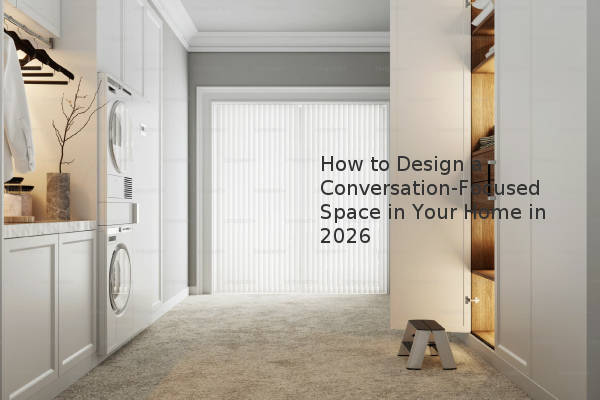
Creating a dedicated space in your home that minimizes distractions and fosters meaningful connection can significantly improve communication with family and partners. Based on our experience assessment, designing for acoustic privacy (the use of materials and layout to control sound transmission) and intentional comfort is key to facilitating deeper conversations. This approach draws on principles from environments designed for focused interaction, where the primary goal is emotional connection rather than aesthetic appeal.
What are the key design elements of a conversation-friendly room? The most effective spaces prioritize comfort and sensory focus over square footage. A central, plush seating arrangement like a curved couch anchors the room, encouraging relaxation. Warm, indirect lighting helps reduce eye strain and creates a calming atmosphere, while textured surfaces such as velvet pillows or rugs can add a tactile, comforting element. The critical design choice involves minimizing visual clutter and technological distractions. By removing televisions and prominent screens, the space naturally guides occupants toward face-to-face interaction. The layout should feel intentionally cozy, not cavernous, to promote a sense of security and intimacy.
How does acoustic design impact communication at home? Effective sound management is crucial for a conversation space. Soundproofing, the use of materials to prevent sound from entering or leaving a room, can be achieved through simple methods like adding heavy curtains, rugs, and wall panels. This creates a buffer from household noise, allowing for private discussions without outside interference. A quiet environment reduces the cognitive load of filtering background noise, making it easier to listen attentively and speak openly. This is particularly valuable in open-plan homes, where creating a zone of acoustic privacy can make conversations more productive and personal.
| Acoustic Improvement | Estimated Material Cost | DIY Difficulty |
|---|---|---|
| Weatherstripping Door Seals | $20 - $50 | Low |
| Adding a Thick Area Rug | $100 - $400 | Low |
| Installing Acoustic Panels | $150 - $600+ | Medium |
What furnishings support a comfortable, distraction-free environment? Furnishings should be selected for comfort and functionality, not for multi-tasking. A comfortable couch where two people can sit facing each other is more conducive to talk than recliners aimed at a television. Incorporate small side tables for drinks to avoid the need to hold items, but avoid surfaces large enough for laptops or work materials. The goal is to furnish for conversation, not for productivity or entertainment. Personal items like a soft throw blanket can enhance the comfort level, making the space feel like a personal retreat within the home.
Practical takeaways for creating your own connection space. You do not need a dedicated room to implement these principles. A corner of a bedroom or living room can be transformed by focusing on these elements. Start by assessing the lighting; replace harsh overhead lights with softer, warmer lamps. Introduce soft textures through pillows and throws to make the area physically inviting. Most importantly, establish a "no-device" guideline for time spent in this space to ensure the focus remains on each other. The predictability of finding a quiet, comfortable place to talk can strengthen relationships over time. The key is to be intentional about the room's purpose, designing it specifically for uninterrupted conversation.