Browse

Log in / Register
 Share
Share
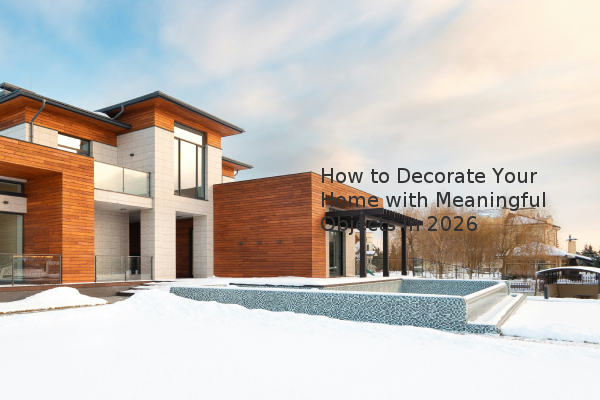
Decorating a home with character and comfort no longer requires a massive budget or flawless designer taste. The dominant trend for 2026 is an "anti-decorating" approach that prioritizes personal meaning and authenticity over expensive, picture-perfect interiors. Based on our experience assessment, this method involves curating a space with objects you genuinely love—from handmade crafts to unique vintage finds—creating a home that feels uniquely yours without the pressure of unattainable standards. The key is to focus on objects that spark joy and tell your story, rather than adhering to strict design rules.
The anti-decorating trend is a design philosophy that rejects the pressure for homes to look like magazine spreads. Instead, it encourages homeowners to fill their spaces with items that have personal significance. This concept, popularized by design experts, gained momentum as people spent more time at home, realizing that their environment significantly impacts daily happiness. The goal is not to create a museum but a living, evolving space. This approach is fundamentally about authenticity, allowing your home to reflect your personality and experiences.
Beginning this process requires a shift in mindset. Instead of asking what is trendy, ask what objects you are naturally drawn to. This could be a ceramic vase made by a local artist, a quirky lamp found at a flea market, or a painting gifted by a friend. The monetary value is irrelevant; the emotional connection is paramount. When selecting an item, consider if it brings you comfort, sparks a memory, or simply makes you smile. Start by identifying one object you love and build your room's energy around it, rather than following a predefined color scheme or style.
A significant advantage of this trend is that it redefines the concept of a "mistake." Since the home is a dynamic space, an item that doesn't work today can be moved, repurposed, or gifted tomorrow. The most common misstep is not the choice of object, but the reluctance to experiment. Holding onto items out of guilt or a fear of getting it wrong contradicts the philosophy. Your home should be fluid; be willing to rearrange, swap, and edit your possessions until the space feels physically and visually right for you.
To successfully implement this trend, focus on the journey rather than a final destination. Visit local markets, support small artisans, and don't overlook family heirlooms. If you acquire something that later doesn’t fit, view it as part of the learning process. The most important takeaway is that your home is a personal sanctuary, not a showpiece for others. By embracing objects with meaning, you create a space that is not only stylish but also sustainably and authentically yours.