Browse

Log in / Register
 Share
Share
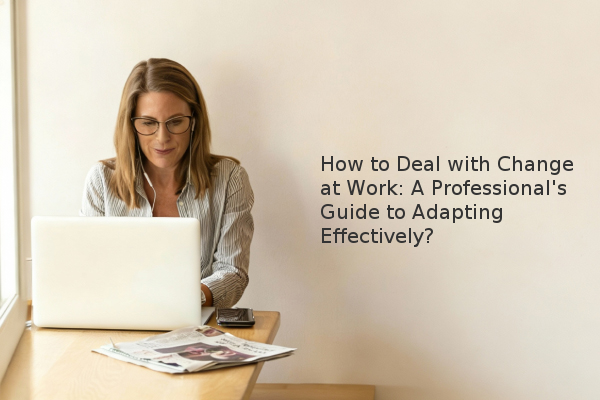
Navigating workplace change successfully requires a proactive approach focused on information gathering, skill development, and maintaining professional flexibility. Based on our assessment experience, employees who master these areas not only adapt more efficiently but also often find new opportunities for career growth. This guide provides actionable strategies to transform workplace uncertainty into a competitive advantage.
The most critical initial step is to gather comprehensive information about the impending changes. This involves actively seeking details from managers, HR, and official company communications. Understanding the scope, timeline, and direct impact on your role is foundational. Key questions to ask include:
Requesting a dedicated meeting with your supervisor or the change management team can provide a forum for transparent discussion, reducing anxiety and clarifying expectations for everyone involved.
Change often disrupts established career paths, making it essential to determine your evolving place within the company. This is a strategic process of aligning the new reality with your long-term career goals. If the changes present a misalignment, you might explore internal mobility options, such as transferring to a different department. Conversely, view new duties as a chance to acquire in-demand skills and demonstrate your value in a different capacity. This proactive stance shows adaptability, a trait highly valued in talent assessment.
Remaining flexible and adaptable is no longer a soft skill but a core professional competency. It directly influences your ability to accept new processes and maintain high performance under shifting conditions. For instance, adapting to a new work schedule or software system becomes smoother when you approach it with a willing mindset. You can practice adaptability by identifying and bridging any skills gaps through targeted training. Seeking feedback from colleagues on your adjustment process can also provide valuable external perspectives for improvement.
A cohesive team response significantly eases the transition for everyone. Heling colleagues adapt fosters a supportive environment, strengthens workplace relationships, and builds a collective resilience to future changes. When teams collaborate, they can share knowledge, troubleshoot problems more effectively, and create a unified front, which is crucial for maintaining morale and productivity during disruptive periods.
While you can't predict every change, you can prepare a personal framework to manage it. A personal change management plan is an internal document that outlines your support systems and strategies. This plan might include:
Having this plan ready reduces decision-making stress when change occurs, allowing you to respond from a position of preparedness rather than panic.
Successfully handling change at work hinges on proactive information gathering, maintaining career focus, cultivating flexibility, supporting your team, and having a personal adaptation plan. By implementing these strategies, you can build the resilience needed to not just survive but thrive in a dynamic work environment.