Browse

Log in / Register
 Share
Share
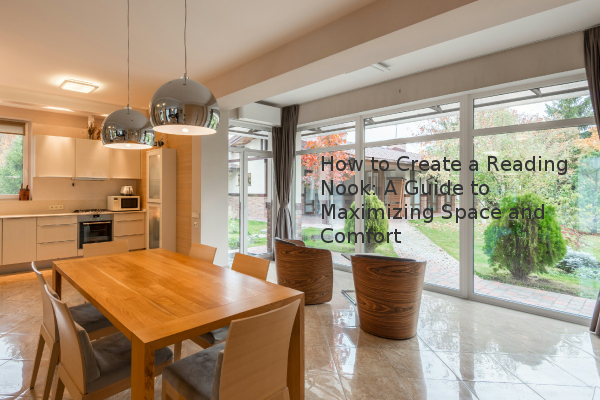
Creating a dedicated reading nook is a powerful way to enhance your home's comfort, functionality, and aesthetic appeal. This guide provides a step-by-step approach to designing a stylish and practical space for relaxation, which can also serve as a valuable home staging asset. Based on our experience assessment, a well-placed nook maximizes underutilized areas and encourages mindfulness.
Why is a dedicated reading space valuable for a home?
A reading nook offers more than a cozy corner; it creates intentional space for quiet retreat. The benefits include promoting screen-free time, adding layered design to a room, and increasing property appeal for potential buyers. A thoughtfully designed nook signals that a home has character and well-considered spaces.
How do you select the ideal location for a reading nook?
You do not need a spare room. Effective nooks can be carved from underutilized areas. The key is to identify a spot that feels naturally quiet and receives adequate lighting.
Choose a location based on light and privacy rather than size. A small, intentional space is more effective than a large, distracting one.
What elements are essential for comfort and support?
Prioritize comfort to ensure your nook is a place you want to spend time in. The core components are seating, lighting, and textiles.
How can you ensure the nook is functional and organized?
While aesthetics are important, functionality guarantees regular use. Incorporate elements that keep essentials within reach.
What are the best ways to personalize the space?
Your reading nook should reflect your personal style to make it a true sanctuary. Personalization turns a functional corner into a cherished escape.
Can you create a reading nook in a small space?
Even the most compact homes can accommodate a reading nook. The principles of location, comfort, and function still apply.
To successfully build your reading nook, follow these key steps: identify a quiet, underused corner, invest in a supportive chair and proper lighting, add simple storage solutions, and infuse the space with personal touches that make it uniquely yours. The goal is to create an inviting environment that encourages relaxation and turns reading into a daily ritual.