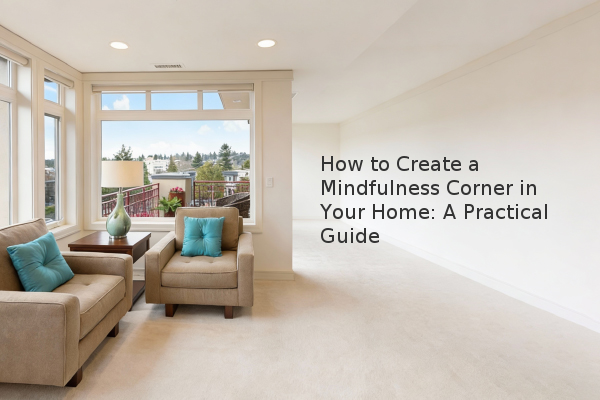
Creating a dedicated mindfulness corner in your home is a powerful way to support mental well-being and reduce stress. According to wellness experts, you don't need a large space; even a small, intentionally designed nook can become a sanctuary for daily practice. The key elements include selecting a low-traffic location, incorporating soft lighting, and adding personal, grounding objects. This guide outlines practical steps to design a space that encourages consistency and calm.
What is the Best Location for a Mindfulness Corner?
The foundation of an effective mindfulness space is its location. Choose a quiet, low-traffic area away from busy hubs like home offices or main living zones. A guest room, bedroom corner, or even a converted closet can be ideal. The goal is minimizing distractions to help you focus inward. Consistency is crucial for building a habit, so select a spot you can return to daily. As recommended by mindfulness coaches, avoiding hallways and high-movement areas ensures your corner remains a dedicated retreat.
Which Essential Elements Create a Calming Atmosphere?
A calming atmosphere engages the senses subtly to promote relaxation. Focus on these core components:
- Lighting: Harsh overhead lights can be jarring. Instead, opt for soft, warm, and dimmable lighting. A small lamp with a warm bulb, a salt lamp, or electric candles can create a peaceful ambiance. If possible, position your corner near a window to utilize natural light.
- Comfortable Seating: Physical comfort is non-negotiable. Whether you prefer a floor cushion (zafu), a yoga mat, or a supportive accent chair, prioritize good posture and ease. The seat should allow your spine to be naturally upright without strain.
- Scent: Aromatherapy is a powerful tool for calming the nervous system. A diffuser with essential oils like lavender, bergamot, or sandalwood, or a simple scented candle, can signal to your brain that it's time to unwind.
- Nature and Texture: Incorporate natural elements to foster a sense of grounding. A potted plant, a smooth stone, a soft throw blanket, or a fuzzy rug adds texture and warmth, making the space more inviting.
How Can You Personalize Your Space for Maximum Effect?
Personalization transforms a generic corner into your personal sanctuary. This involves adding items that hold meaning for you, which could include:
- A small journal for reflections.
- A meaningful piece of art or a favorite quote.
- Crystals or a small statue.
- A sound machine or Bluetooth speaker for gentle nature sounds or calming music.
Some experts even suggest naming your space (e.g., "The Clarity Corner") to reinforce its intention. The objective is to create an environment you are genuinely drawn to, making your practice something you look forward to.
What Are Common Mistakes to Avoid?
When designing your mindfulness corner, less is often more. Avoid these common pitfalls:
- Clutter: A cluttered space can lead to a cluttered mind. Keep the area simple and organized. Use a basket for storing items like yoga mats and blankets.
- Poor Lighting: Overly bright or fluorescent lighting can disrupt a peaceful mood. Always opt for soft, adjustable light sources.
- Ignoring the Senses: A truly effective space considers sight, sound, smell, touch, and even taste (like a warm cup of tea). Engage multiple senses to deepen the experience.
To build a sustainable mindfulness practice, start by choosing a consistent, quiet location and investing in a comfortable seat. Then, layer in soft lighting and a calming scent to engage your senses. Finally, add one or two personal items to make the space uniquely yours. The most important step is simply to begin; you can always refine your corner over time.


 Share
Share