Browse

Log in / Register
 Share

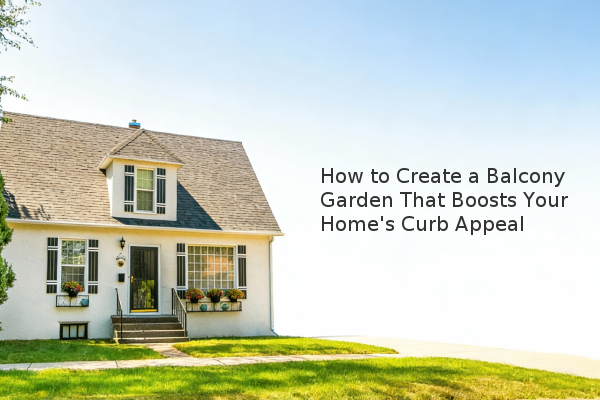
Creating a thriving balcony garden is a strategic home improvement project that can enhance your outdoor living experience and potentially increase your property's curb appeal. By focusing on key factors like sunlight exposure, plant selection, and space optimization, you can transform even the smallest balcony into a lush, valuable extension of your home. The most critical steps involve assessing your balcony's sunlight, choosing climate-appropriate plants, and utilizing vertical space efficiently.
The cardinal direction your balcony faces determines the intensity and duration of sunlight, which is the primary factor in plant selection. A south-facing balcony receives intense, direct sunlight for most of the day, making it ideal for sun-loving vegetables like tomatoes and herbs such as basil and rosemary. Conversely, a north-facing balcony offers mostly shade, requiring shade-tolerant plants like ferns and hostas. To ensure success, track the sun's movement across your space for a full day. Areas receiving six or more hours of direct sun can support different plants than those with only dappled morning light.
As Teresa Parmele of Green Garden Zone advises, “For a thriving balcony garden this spring, track the sun throughout the day to ensure plants are positioned for optimal light.” This initial assessment prevents choosing plants that will struggle in your specific conditions.
Choosing plants native to your local climate or well-suited to container living significantly reduces maintenance and increases success rates. Native plants are naturally adapted to regional weather patterns and pests, requiring less water and care. For example, in arid climates like Arizona, opt for drought-tolerant succulents over tropical plants that need high humidity. Always select plants labeled for container growth, as their root systems are designed for confined spaces.
Dr. Tim Miles emphasizes, “Choose plants that suit your local climate and can thrive in containers, such as herbs, succulents, or compact flowers.” This approach ensures your garden is sustainable and easier to manage. Incorporating colorful annual flowers like petunias or marigolds can add vibrant visual interest that enhances the aesthetic appeal of your property.
Utilizing vertical space is essential for small-area gardening. Instead of using only floor space, implement hanging baskets, railing planters, and wall-mounted shelves. This technique creates layers, allowing for more plants and better light exposure. However, remember that elevated containers and hanging plants dry out faster and will require more frequent watering.
Matt Aulton, Head Grower at Plant Proper, suggests, “Implement hanging baskets. Trailing plants are beautiful and do not take up useful space on the floor.” Techniques like espalier—training trees to grow flat against a wall—can even allow for dwarf fruit trees in minimal space, maximizing both yield and visual impact.
| Garden Element | Benefit | Consideration |
|---|---|---|
| Railing Planters | Maximizes floor space; ideal for herbs. | Ensure secure installation to withstand wind. |
| Hanging Baskets | Adds vertical interest; good for trailing plants. | Requires more frequent watering. |
| Dwarf Fruit Trees | Provides edible yield in a small footprint. | Needs a large, stable container and full sun. |
Beyond personal enjoyment, a well-maintained balcony garden contributes to your home's curb appeal, which is a factor in property valuation. Flowering plants that attract pollinators like bees and butterflies support local biodiversity. Growing your own herbs or dwarf fruit trees can also offer a return on investment by providing fresh produce. Adding tasteful garden art, such as copper sculptures, can create a cohesive and inviting outdoor room that extends your living area.
To ensure your balcony garden is a success, start with a clear sunlight assessment and choose native, container-friendly plants. Utilize vertical planters and hanging baskets to maximize space, and remember that consistent watering is crucial for elevated containers. By viewing your balcony as an extension of your livable square footage, you can create an attractive feature that enhances your daily life and your property's overall appeal.