Browse

Log in / Register
 Share

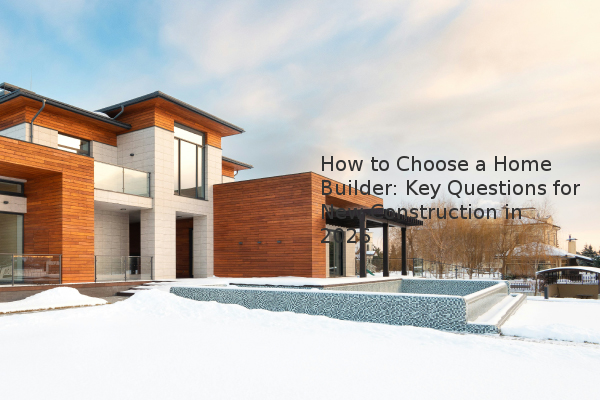
Selecting the right home builder is the most critical factor in ensuring the quality and value of your new construction home. Based on our experience assessment, a thorough evaluation of a builder's reputation, warranty offerings, construction timeline, and community plans is essential. By asking targeted questions, you can identify a reputable builder who aligns with your budget, timeline, and customization needs, ultimately protecting your investment.
What is the builder’s reputation and professional history? Your first step should be a comprehensive review of any homebuilder you are considering. Most builders maintain a website showcasing past and present communities. This provides insight into their business longevity, the types of homes they specialize in, and whether their style matches your preferences. Beyond the testimonials on their own site, seek out external reviews on independent platforms for a less biased perspective. It is also highly advantageous to ask the builder for references from current homeowners. Speaking with someone who has already gone through the process can provide invaluable insight into the builder's communication, quality, and how the home holds up over time. Consulting with verified residents is one of the most reliable ways to assess a builder's long-term performance.
Is the builder a member of a professional homebuilders association? While not a mandatory requirement, membership in a professional association, such as the National Association of Home Builders (NAHB), indicates a commitment to specific quality and ethical standards. To be a member, a builder must meet professional criteria beyond a state license. This affiliation often provides builders with access to ongoing education, industry trends, networking opportunities, and bulk material purchasing, which can help control costs. Choosing a NAHB-member builder means they have committed to a higher standard of professional conduct.
What is the expected timeline for move-in and are there cost escalation risks? Builders operate on different schedules; some have move-in-ready homes, while others are in various phases of construction. The average build time from ground-breaking to completion is approximately 6.5 months, but this can vary significantly. If you have a strict move-in deadline, prioritize builders with available inventory. If your schedule is flexible, you may find discounts on homes that will be completed later. Crucially, you must ask about the builder's backlog and the permitting timeline in your specific city, as delays can occur. Always inquire if the contract includes an escalation clause, which allows the builder to raise the final price due to increasing supply costs.
What type of warranty is offered with the new home? A new-construction home typically comes with a home warranty, a service contract that covers the cost of repairs for specific components that malfunction within a set period. It is vital to determine if the warranty is administered by a third-party company or if the builder is self-insured. A third-party warranty is generally more secure for the homeowner, as it remains valid even if the builder goes out of business. You should clearly understand the warranty's duration and what it covers, which should include at least one year for workmanship and materials defects, and up to ten years for major structural defects. Note that appliances are typically covered by separate manufacturers' warranties.
| Warranty Type | Typical Coverage | Why It Matters |
|---|---|---|
| Workmanship/Materials | 1-2 years for defects in installation (e.g., plumbing, electrical). | Protects against immediate issues from faulty construction. |
| Systems | 2 years for major systems (e.g., HVAC, electrical). | Covers crucial operational components of the home. |
| Structural | Up to 10 years for major structural defects. | Safeguards your investment in the home's fundamental integrity. |
What customization options and design services are available? If personalizing your home is important, you need to understand the builder's flexibility. Some builders work from a standard set of plans with limited changes, while others allow for significant modifications like moving walls or expanding rooms. Ask about the availability of different floor plans and the process for requesting structural changes. For interior finishes, many builders offer an in-house design service to help you select items like countertops, flooring, and light fixtures. This can simplify the process, especially during supply chain disruptions. Builders may also offer pre-determined design packages to streamline selection.
What are the builder's incentives and community plans? In 2026's market, builder incentives such as rate buy-downs or closing cost assistance can provide significant savings. These are enticements not typically available in the resale market. Beyond the home itself, inquire about the master plan for the community. Builders are increasingly creating communities with shared amenities like pools, gyms, and green spaces. Understanding the long-term vision for the neighborhood is crucial for assessing your property's future value and lifestyle fit.
What are the builder's expectations for you, the buyer? Finally, clarify the builder's requirements. New construction contracts often have strict terms, including tight timelines for design selections and non-refundable deposits, which can range from $5,000 to over $50,000. Financing contingencies are typically not allowed, so you must be pre-approved. Understand the schedule for walk-throughs, such as a pre-drywall inspection or a final orientation, so you can plan to be present.
To make a confident decision, prioritize builders with verifiable references, robust third-party warranties, and clear, transparent contracts. Your due diligence in the selection phase is the best investment you can make in your new home.